Class 1 vs Class 2 vs Class 3 E-Bikes: Which One Is Legal Where You Ride
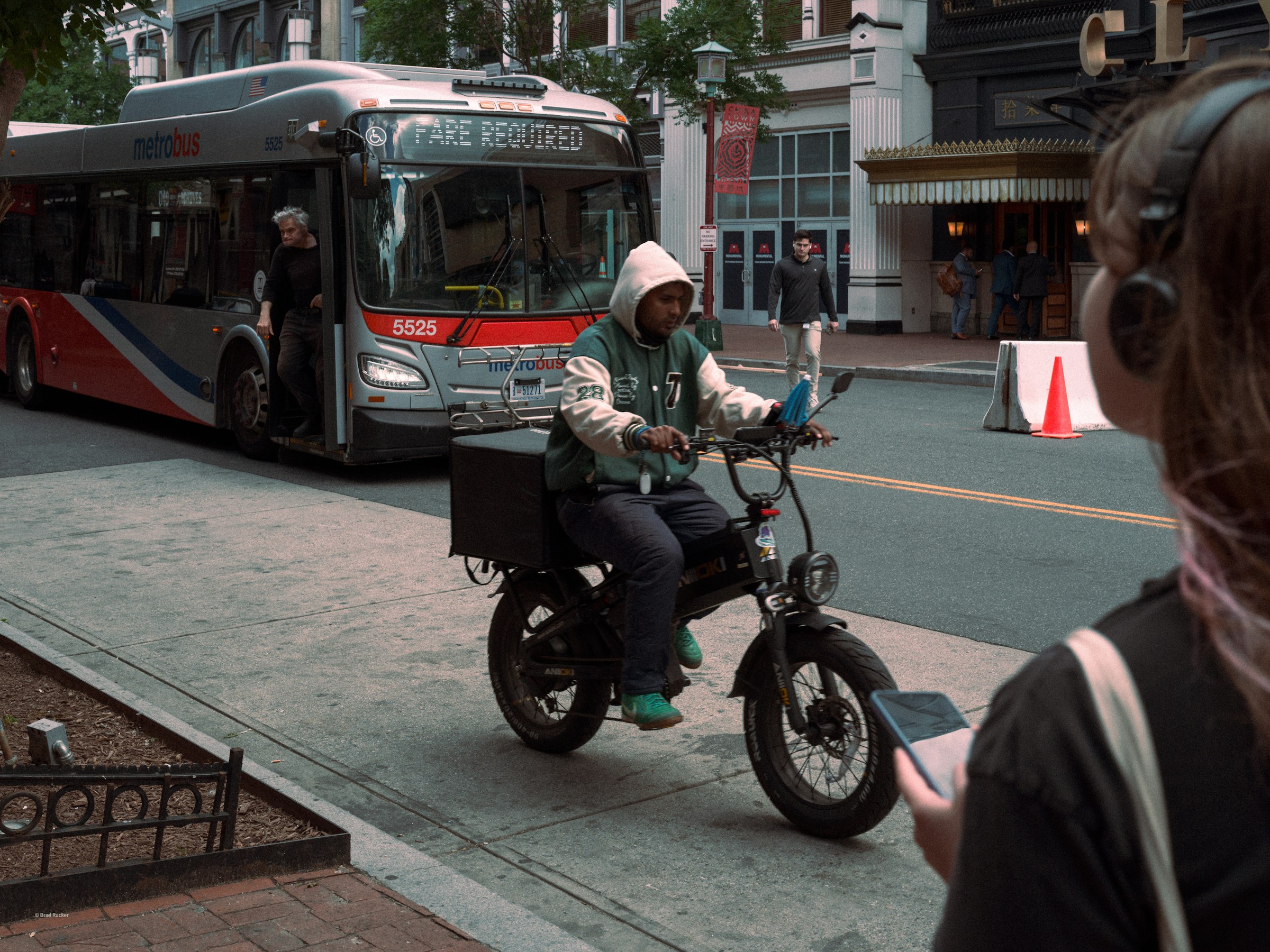
Photo: Brad Rucker / Unsplash
Two e-bikes that look nearly identical can be treated completely differently under the law — one welcome on a shared multi-use trail, the other banned from it entirely. The difference usually comes down to which of three classes the bike falls into, a system most US states have adopted but apply with real local variation. Here's what each class actually means, and why you need to check local rules even after you know the class.
What Actually Defines Each Class
The three-class system, developed by the bicycle industry and adopted in most (not all) US states, categorizes e-bikes by two mechanical facts: whether the bike has a throttle that can move it without pedaling, and the speed at which motor assistance cuts out.
| Class | Assist type | Top assisted speed | Typical trail access |
|---|---|---|---|
| Class 1 | Pedal-assist only, no throttle | 20 mph | Widest access, often equal to regular bicycles |
| Class 2 | Throttle-capable (with or without pedaling) | 20 mph | Often restricted on natural-surface/multi-use trails |
| Class 3 | Pedal-assist only, no throttle | 28 mph | Frequently restricted to roads and bike lanes, often excluded from trails |
Class 1 — Pedal Assist Only
Class 1 e-bikes only provide motor assistance while you're actively pedaling, and that assistance cuts out at 20 mph. Because there's no throttle and no assist above 20 mph, Class 1 bikes are treated the most like traditional bicycles in most jurisdictions — they're generally allowed wherever regular bikes are, including most paved and unpaved multi-use trails, though exceptions exist in specific parks and wilderness areas.
Class 2 — Throttle-Assisted
Class 2 e-bikes add a throttle that can propel the bike without pedaling at all, up to the same 20 mph cutoff as Class 1. The throttle is the deciding factor for access restrictions: many land managers treat throttle capability as functionally closer to a moped, regardless of top speed, so Class 2 bikes are more often excluded from natural-surface trails and some multi-use paths even though their speed limit matches Class 1.
Class 3 — Speed Pedelec
Class 3 e-bikes are pedal-assist only, like Class 1, but the assist doesn't cut out until 28 mph. That higher speed is the deciding factor here: many states require riders to be a minimum age (commonly 16) and sometimes wear a helmet regardless of age, and many trail systems exclude Class 3 bikes specifically because of the speed differential with other trail users, even though there's no throttle involved.
Why Legality Varies by State/Trail, Not Just by Class
The three-class framework is a naming convention, not a single national law — individual states decide which classes are allowed on which infrastructure, and local land managers (city parks departments, national forests, state trail systems) can impose additional restrictions on top of state law. A Class 1 e-bike can be fully street-legal statewide while still being banned on a specific local trail by a park ordinance, so knowing your bike's class is necessary but not sufficient.
How to Check Before You Ride
Before buying or riding somewhere new, check your state's e-bike statute (most states publish this directly, often through the DMV or department of transportation) and separately check the specific trail or path's posted rules, since trail-level restrictions frequently go beyond state minimums. If a bike's class isn't stated on the manufacturer spec sheet, check for a printed classification label — most reputable manufacturers include one on the frame, as several states now require it.
Bottom Line
Class 1 is pedal-assist to 20 mph, Class 2 adds a throttle at the same speed cap, and Class 3 is pedal-assist to 28 mph — and access rules generally get more restrictive as you move from Class 1 toward Class 3, though throttle presence (not just speed) is its own separate factor in many local rules. Always verify both your state's law and the specific trail's posted policy — the class label tells you the bike's capability, not automatically where you're allowed to ride it.
Reviewed by OmniReview
OmniReview is the editorial team behind Gear Rescue Guide. We build every guide from manufacturer documentation, published test standards, and long-term owner reports, and add our own hands-on impressions whenever we've had the chance to use the gear directly — we don't claim to have tested every product we cover. See our How We Review page for the full process.