E-Bike Battery Care: How to Make Your Battery Last Longer
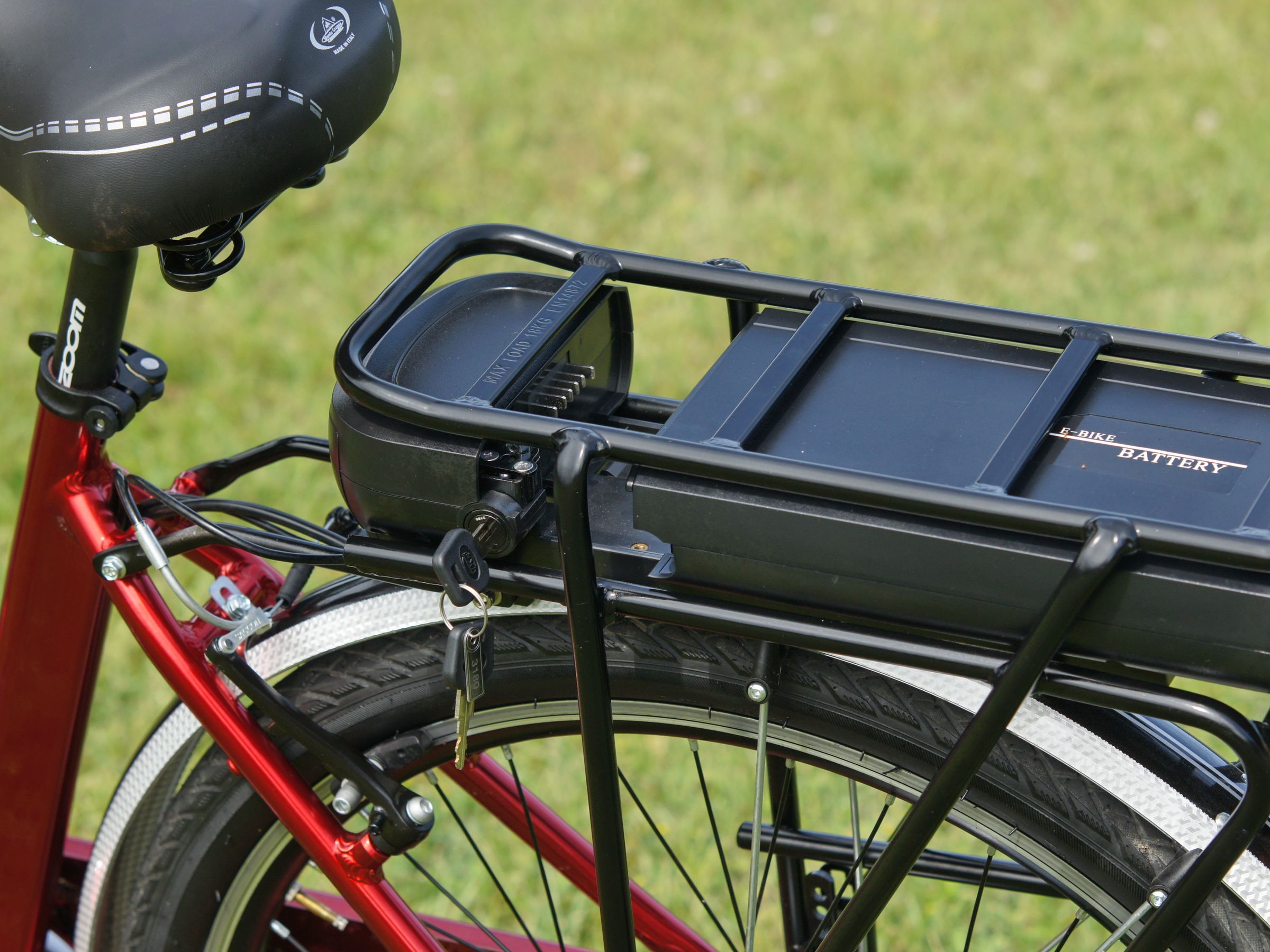
Photo: Alex / Pexels
An e-bike battery that cost several hundred dollars to replace will, without exception, lose capacity over its lifespan — that part isn't optional. What you do control is how fast it degrades: a well-cared-for battery can retain meaningfully more capacity after a few years than one that's charged and stored carelessly, even under identical mileage.
How Lithium-Ion Batteries Actually Degrade
E-bike batteries use lithium-ion cells, the same underlying chemistry as laptop and phone batteries, which degrade through two overlapping mechanisms: cycle aging (wear from repeated charge/discharge cycles) and calendar aging (a slower capacity loss that happens over time regardless of use, driven mainly by heat and how full the battery sits). Both are unavoidable, but calendar aging in particular is heavily influenced by habits you can control.
The Charge Range That Extends Battery Life
Keeping a lithium-ion battery at 100% charge for extended periods accelerates capacity loss more than cycling it through a moderate range — this is why many e-bike and EV manufacturers now recommend a routine charge target around 80-90% rather than always topping off to full, reserving 100% charges for days you actually need the full range. Similarly, letting the battery sit fully depleted for long stretches also accelerates degradation; the healthiest long-term storage range is roughly 40-80% charge.
Heat Is the Real Enemy, Not Just Charge Cycles
Elevated temperature accelerates the chemical side-reactions that degrade lithium-ion cells, and this effect compounds when a battery is both hot and near full charge — which is exactly what happens if you charge a bike in direct sun or immediately after a hard ride while the pack is still warm. Letting the battery cool to room temperature before charging, and charging and storing it somewhere temperature-stable (not a hot garage or a cold unheated shed in winter), meaningfully reduces long-term capacity loss.
Storage: What to Do When You're Not Riding for Weeks
| Do | Don't |
|---|---|
| Store at ~40-80% charge for long gaps | Store at 100% or fully depleted for weeks/months |
| Store in a cool, dry, temperature-stable space | Store in a hot garage or freezing shed |
| Check charge level every few weeks in long storage | Leave it untouched all winter and assume it's fine |
| Let a hot battery cool before charging | Plug in immediately after a hard, hot ride |
Charging Habits That Quietly Shorten Battery Life
Using a non-original, mismatched charger can deliver incorrect voltage or current and stress the cells in ways the battery management system isn't designed around — always use the charger matched to your specific battery. Frequent fast-charging, where available, also generates more heat per charge than a standard-rate charger, so reserving fast charging for when you actually need a quick top-up (rather than using it as your default) helps preserve capacity over years of use.
When Degradation Is Normal vs a Sign of a Bad Cell
Gradual range reduction over 2-4 years — even with good care, expect noticeably less range than when the battery was new — is normal lithium-ion aging, not a defect. A sudden, sharp drop in range, a battery that won't hold charge overnight, or one that gets unusually hot while charging or idle are different signals, and point toward a failing cell or battery management system issue worth having checked rather than just "normal wear."
Bottom Line
You can't stop an e-bike battery from aging, but keeping it out of extreme heat, avoiding constant 100%-or-empty cycling, and using the correct charger meaningfully slows the process. Treat gradual range loss over years as expected; treat sudden or dramatic capacity loss as a sign to get the battery checked.
Reviewed by OmniReview
OmniReview is the editorial team behind Gear Rescue Guide. We build every guide from manufacturer documentation, published test standards, and long-term owner reports, and add our own hands-on impressions whenever we've had the chance to use the gear directly — we don't claim to have tested every product we cover. See our How We Review page for the full process.