How to Choose Slow-Rising Squishies: A Practical Buying Guide (and Where FunnySquishy Fits)
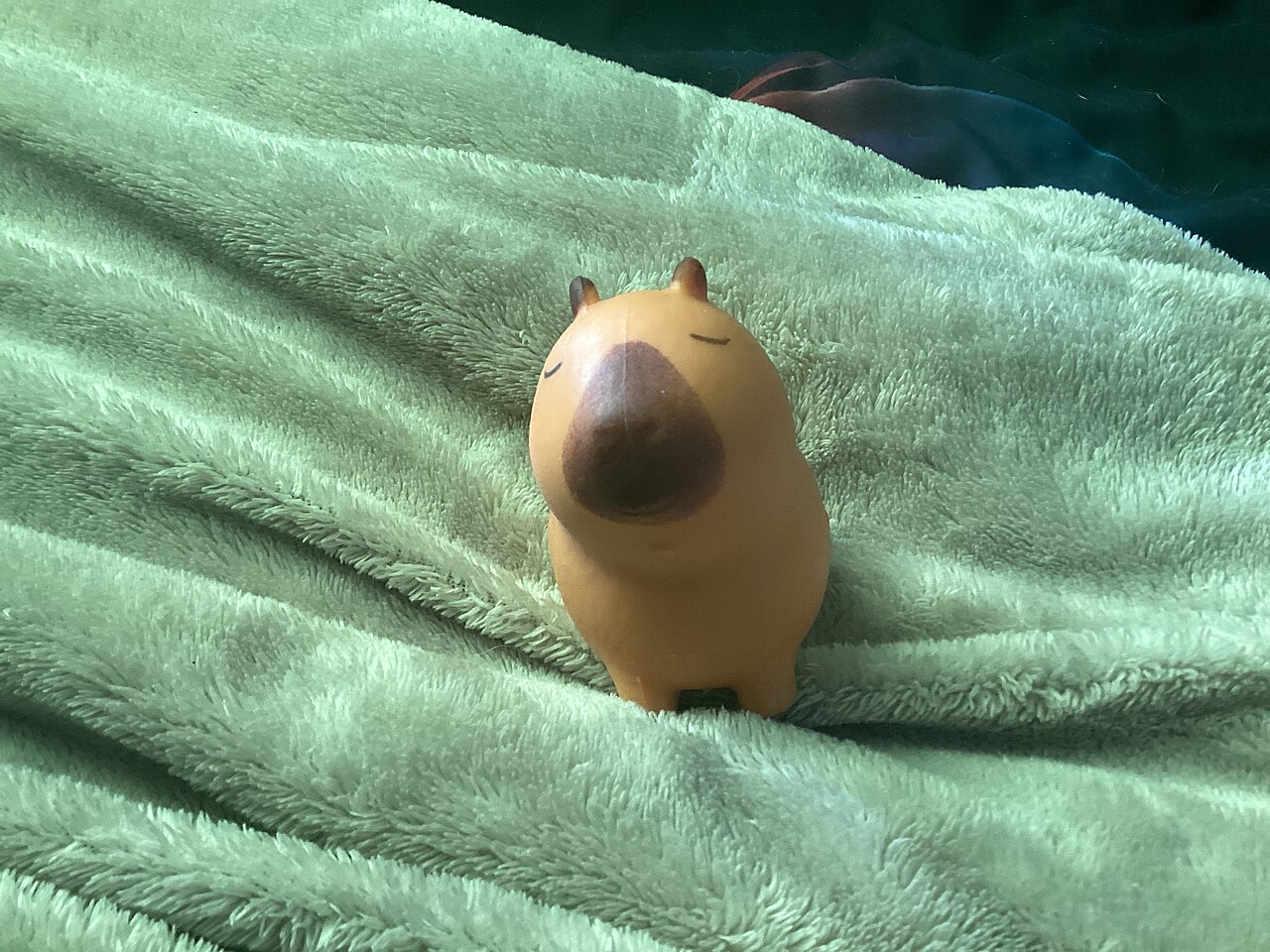
Photo: WASMP / Wikimedia Commons (CC BY 4.0)
A slow-rising squishy is a soft foam toy, usually shaped like food, fruit, or an animal, that you squeeze flat and then watch slowly expand back to its original shape over several seconds. That slow recovery is the whole point. It turns a squeeze into a small, repeatable moment of calm, which is why squishies have spread well beyond kids' toy boxes. Adults keep them on desks as quiet fidget toys during calls, people use them to keep their hands busy when they're stressed or trying not to check a phone, and a sizable community collects them the way others collect figurines. This guide covers what separates a good squishy from a disappointing one, how to pick the right size and style, the safety rules that matter for young children, and where a specialist shop like FunnySquishy fits in.
Slow-Rising Foam vs Gel/Mochi Squishies vs Stress Balls
"Squishy" gets used for three quite different toys, and they feel nothing alike. Knowing which one you want saves a lot of disappointment.
Slow-rising foam squishies are typically made from soft polyurethane (PU) foam. Squeeze one and it compresses easily, then rises back slowly, often taking several seconds or longer to recover fully. The feel is soft, airy, and slightly "bready." This is the classic squishy and the main subject of this guide.
Gel and mochi squishies are usually made from a soft, rubbery material such as TPR (thermoplastic rubber) or silicone. They're stretchy and jiggly rather than foamy, and they snap back almost immediately instead of rising slowly. Mochi squishies are small, rounded, and doughy-feeling, named after the Japanese rice cake. Some people prefer that quick, elastic rebound; others find it less soothing than the slow rise of foam.
Classic stress balls are firmer, often foam or a gel-filled rubber skin, and designed for grip resistance rather than a slow visual payoff. They're better if you want something to squeeze hard repeatedly, such as grip exercise or working off tension, and they generally hold up to rougher use than soft foam squishies.
Choosing a Size: Mini, Standard, or Jumbo
Size changes how you use a squishy more than most buyers expect.
Mini squishies fit in a palm or a pocket. They're good as bag charms, travel fidgets, party favors, or a low-cost way to try several shapes. The trade-off is a shorter, less dramatic rise, and small sizes are the most important to keep away from toddlers (see the safety section below).
Standard squishies are roughly hand-sized: big enough to squeeze with your whole hand and get a satisfying slow rise, small enough to sit on a desk without taking over. For most people buying their first squishy, or buying for an older child, this is the right starting point.
Jumbo squishies are display and novelty pieces. Some are genuinely large, like a full-length bread loaf or baguette, and they rise slowly and dramatically because there's so much foam to recover. They're fun, but they take up space, collect dust, and aren't something you'll carry around. Buy one if you want a showpiece or a two-handed squeeze, not a pocket fidget.
Choosing a Style: Food, Fruit, Animal, Mochi, or Fidget
Style is mostly personal taste, but each type has practical differences worth knowing.
Food squishies (breads, buns, donuts, burgers, dumplings, cheese, and similar) are the most traditional style. Bread-shaped squishies in particular tend to have large, simple forms that squeeze evenly and rise well.
Fruit squishies are usually rounded, compact, and brightly colored, which makes them good all-rounders for kids and desks alike.
Animal squishies (cats, pigs, capybaras, and so on) have more personality, which is why they're popular as gifts and with collectors. They also tend to have more painted detail and thin parts such as ears, tails, or legs. Those areas are where wear and tearing usually show up first.
Mochi squishies, as noted above, are a different feel entirely: stretchy and quick-rebounding rather than slow-rising.
Fidget-style squishies blend squishy material with other fidget mechanics, such as squishy balls or textured shapes. They suit people who want something to fiddle with continuously rather than squeeze and wait.
How to Judge Quality
Squishy quality varies widely, and cheap ones are often disappointing in predictable ways. Here's what to look for.
Rise speed. A good slow-rising squishy recovers gradually and evenly. If it pops back almost instantly, the foam is too dense or springy; if it stays dented or recovers unevenly, it may be poor-quality or already degraded. Product videos are more useful than photos here, because they show the rise in real time.
Smell. Many squishies are scented, and some have a chemical odor from the foam and paint when new. A mild smell that fades after airing out for a few days is common. A strong, persistent chemical smell is a sign of lower-quality materials, and it's a good reason not to give that squishy to a child.
Paint and finish. Look for even color without obvious smudges, and paint that doesn't feel tacky. Painted foam can crack or flake over time, especially at the points that flex most. Heavily painted, highly detailed squishies look great but often show wear sooner than simpler, lightly painted designs.
Surface and durability. Foam squishies don't have seams the way plush toys do, but they do have weak points: thin appendages, sharp corners, and areas where the surface skin is very thin. Over time, repeated squeezing can cause small tears that grow. A squishy with a smooth, slightly firm "skin" and chunky shapes will usually last longer than one with lots of fine detail. Treat any squishy as a semi-consumable item: they wear out with heavy use, so expect a well-loved one to eventually soften, crack, or tear.
Safety: Young Kids Need Extra Care
Squishies look like toys made for toddlers, but they aren't. Follow these rules:
- Not for children under 3. Squishies can tear into small pieces, and minis or small attached parts can be a choking hazard. Check the age labeling on the specific product and follow it.
- Always supervise young children. Even for kids over 3, check squishies regularly for tears and throw away any that are breaking apart.
- Never put them in your mouth. Food-shaped and scented squishies look and smell like snacks, which is exactly why small kids (and pets) try to bite them. Foam and paint are not meant to be chewed or swallowed. Keep squishies away from dogs, which can tear them apart.
- Watch for sensitivities. If someone reacts badly to the scent, or gets skin irritation from handling one, stop using it.
Quick Comparison
| Type | Squeeze feel | Best for |
|---|---|---|
| Slow-rising foam | Soft and airy, rises back slowly over several seconds | Calm desk fidget, gifts, collecting |
| Gel / mochi | Stretchy, jiggly, snaps back quickly | People who like an elastic, fast rebound |
| Stress ball | Firmer, resistant, quick recovery | Hard repeated squeezing, grip work |
| Mini (any type) | Short, small squeeze | Pockets, bags, party favors, sampling shapes |
| Jumbo foam | Big, slow, dramatic rise | Display pieces, two-handed squeezing |
| Fidget-style | Varied textures and mechanics | Continuous fiddling, sensory play |
Where to Buy: Where FunnySquishy Fits
General marketplaces sell squishies cheaply, but listings there often use stock or recycled photos, which makes it hard to judge size, paint quality, or color before you buy. Specialist shops are worth a look if you care about seeing the actual product.
FunnySquishy is a small online shop that focuses specifically on slow-rising squishies, with a catalog of roughly 700 to 750 of them. One practical plus is that the shop says its product photos are taken in-house ("photographed by us") rather than borrowed from suppliers, which helps when you're trying to judge what will actually arrive.
The range covers most of the categories in this guide. There are food squishies (cakes, breads, donuts, burgers, dumplings, cheese, and avocados), fruit, animals such as capybaras and pigs, a jumbo section that includes items like a 50 cm baguette, minis, mochi, squishy balls, and fidget toys. Beyond single squishies, the shop also sells mystery boxes, DIY squishy-making kits, Advent calendars, and packs or sets, and it has sections aimed at kids, sensory play, and desk use.
Typical prices run from about $11 to $26 per item. Standard shipping is free on orders of $49 or more, so it can make sense to combine several smaller squishies into one order rather than buying one at a time. The shop also runs a Squishy+ membership and a Rewards program, which may be worth a look if you buy regularly.
Before you order, check the shop's Help Center for its current return and exchange policy. We haven't seen the terms ourselves, and that kind of policy can change. That matters especially for gifts or for scented items you aren't sure about. You can browse the full FunnySquishy catalog here.
Care and Cleaning Tips
A little care makes a squishy last noticeably longer:
- Squeeze gently and evenly. Press with the flat of your hand rather than pinching thin parts like ears or edges, which tear first.
- Keep them out of heat and direct sun. UV and heat can fade paint and break down foam over time.
- Clean the surface lightly. Wipe with a slightly damp cloth, or dust with a dry one. Don't soak a foam squishy: foam absorbs water, dries slowly, and can stay damp inside.
- Dust-proof your display. Painted foam can feel slightly tacky and pick up lint. A light dusting of cornstarch or baby powder, brushed off, is a common collector trick for restoring a smooth feel.
- Store them uncompressed. Don't keep squishies squashed in a crowded box for long, or they can stay dented.
- Retire damaged ones. Once a squishy starts tearing or flaking, especially one used by a child, it's time to throw it out.
Bottom Line
The right squishy depends on how you'll use it. For a calm desk fidget or a first purchase, a standard-size slow-rising foam squishy in a simple food or fruit shape is the safest bet. Choose mochi or gel if you prefer a fast, stretchy rebound, and a stress ball if you want firm resistance. Judge quality by rise speed, smell, and paint finish. Expect any squishy to wear out eventually. And keep squishies away from children under 3 and out of everyone's mouth. If you want a large choice of slow-rising squishies with real product photos, FunnySquishy is a reasonable specialist place to start. Just bundle items to reach the free-shipping threshold, and check the Help Center's return terms before you buy.
Reviewed by OmniReview
OmniReview is the editorial team behind Gear Rescue Guide. We build every guide from manufacturer documentation, published test standards, and long-term owner reports, and add our own hands-on impressions whenever we've had the chance to use the gear directly — we don't claim to have tested every product we cover. See our How We Review page for the full process.