3-Season vs 4-Season Tents: Which Do You Actually Need?
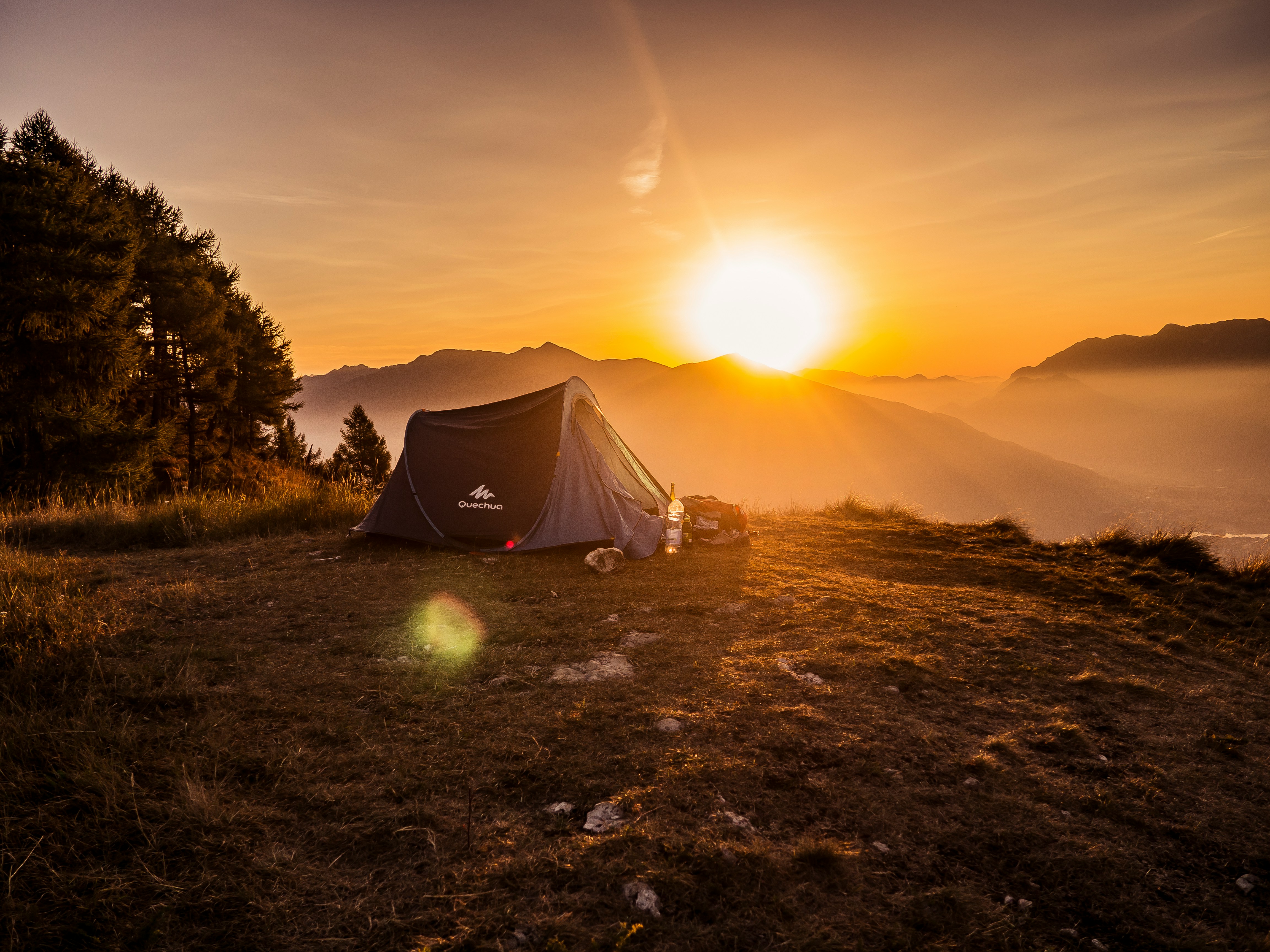
One of the most common overspends in backpacking gear is buying a 4-season tent for 3-season conditions — paying for structural strength and weight you'll never actually need. Here's how to tell which category genuinely fits your trips.
What "Season Rating" Actually Means
Season ratings describe structural design and ventilation balance, not a strict temperature guarantee:
- 3-season tents are built for spring, summer, and fall conditions — moderate wind, rain, and occasional light snow, with ventilation prioritized to prevent condensation in warmer, more humid conditions
- 4-season tents are built to handle sustained snow load, high wind, and winter storm conditions, with a sturdier pole structure and less mesh/ventilation, trading some airflow for structural strength and warmth retention
Signs You Actually Need a 4-Season Tent
A 4-season tent is worth the extra weight and cost if you regularly:
- Camp above treeline or in exposed alpine conditions where wind loading is a real structural concern
- Do winter backpacking or mountaineering trips with sustained snow accumulation
- Need a tent that can handle being pitched on snow or in conditions where digging in or building windbreaks is standard practice
Signs a 3-Season Tent Is the Right Call
For the majority of backpackers, a 3-season tent is the better choice:
- Most weekend and multi-day trips happen in spring through fall conditions
- Better ventilation reduces condensation buildup, which is a bigger day-to-day annoyance than most people expect
- Lighter weight and lower cost, since you're not paying for structural capacity you won't use
If condensation has been an issue even in a well-ventilated 3-season tent, see our practical fixes: how to stop condensation inside a single-wall tent.
The Hidden Cost of Over-Buying a 4-Season Tent
Beyond the higher price, 4-season tents carry real trade-offs in warmer conditions:
- Reduced mesh paneling means less airflow, leading to more condensation and a warmer, stuffier interior on mild nights
- Extra pole structure adds weight that serves no purpose outside of snow-load or high-wind conditions
- Setup can be more complex due to additional poles and guy-out points designed for storm conditions you may never encounter
A Middle Ground: Extended-Season Tents
Some manufacturers offer "3-season+" or "extended season" tents that add some additional pole support and slightly reduced mesh compared to a pure 3-season design, without going as far as full 4-season structural capacity. These can be a reasonable compromise for backpackers who occasionally push into shoulder-season conditions (late fall, early spring) but don't need full winter capability.
Quick Decision Framework
| Your typical trips | Best fit |
|---|---|
| Weekend trips, spring-fall, moderate elevation | 3-season |
| Occasional shoulder-season trips, some cold nights | Extended/3-season+ |
| Regular winter backpacking or alpine trips | 4-season |
| Mixed conditions, unsure of future trip types | 3-season, upgrade later if needed |
Final Thoughts
Most backpackers overestimate how often they'll actually face true winter or alpine conditions. Unless you have specific, recurring trips that demand it, a well-built 3-season tent will serve the vast majority of your trips better — lighter, better ventilated, and less expensive — than a 4-season tent bought "just in case."
Reviewed by OmniReview
OmniReview is the editorial team behind Gear Rescue Guide. We build every guide from manufacturer documentation, published test standards, and long-term owner reports, and add our own hands-on impressions whenever we've had the chance to use the gear directly — we don't claim to have tested every product we cover. See our How We Review page for the full process.