How to Stop Condensation Inside a Single-Wall Tent
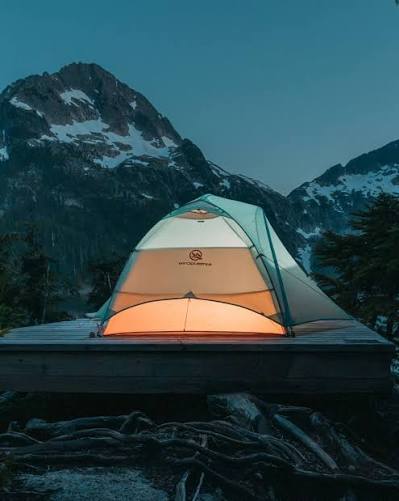
Waking up with the inside of your tent walls dripping isn't a manufacturing defect or a sign your tent is "bad" — it's basic physics, and single-wall tents are inherently more prone to it than double-wall designs. Here's why it happens and what actually reduces it, since you can't eliminate it entirely.
Why It Happens
You exhale roughly a liter of water vapor overnight through breathing alone, plus additional moisture from skin evaporation and any damp gear stored inside. In a double-wall tent, this warm, moist air rises and passes through a breathable inner mesh before hitting the cold outer rainfly — condensation forms on the fly, a separate layer from where you're sleeping, so it drips down the outside of the inner tent rather than onto you.
In a single-wall tent, there's no separation — the same fabric that keeps rain out is the only barrier between you and the outside cold. Warm moist air inside meets cold fabric directly, and condensation forms right where you can touch it, drip on your bag, or brush against it.
What Actually Reduces Condensation
1. Maximize airflow — this is the single biggest factor. Pitch with vents, doors, or mesh panels open as much as weather allows. Even a few inches of gap at the bottom of the tent or a cracked vestibule door dramatically improves air exchange. Sealing up completely for warmth almost always makes condensation worse, not better.
2. Pitch away from water sources and low ground. Camping near a lake, river, or in a valley bottom means camping in naturally higher humidity air. Moving even 50-100 feet to higher, drier ground measurably reduces overnight condensation.
3. Avoid pitching in dense tree cover or vegetation when possible. Trees and plants release moisture (transpiration) and block the light breeze that would otherwise help dry the tent surface.
4. Don't cook inside the tent or vestibule. Boiling water and cooking release large amounts of water vapor directly into the enclosed space — this is one of the fastest ways to guarantee a wet tent interior by morning.
5. Keep wet gear outside or in a separate dry bag. Wet boots, rain jackets, or dripping gear stored inside adds directly to the moisture load the tent has to deal with overnight.
6. Wipe down the interior before packing up, not after — condensation that dries onto fabric is harder to fully remove than condensation wiped while still liquid.
When to Accept It's Unavoidable
High humidity nights, still air with no breeze, or camping directly after rain in saturated air will produce condensation in a single-wall tent regardless of technique — this is a limitation of the design, not a mistake you're making. On nights like this, the goal shifts from "prevent it" to "manage it": use a bag liner or bivy to protect your sleeping bag from drips, and accept a damp-but-functional tent rather than expecting a dry one.
Is a Double-Wall Tent Worth Switching To?
If condensation is a recurring problem on most trips rather than occasional bad-luck nights, and weight isn't your top priority, a double-wall design will solve the majority of it structurally rather than requiring constant technique management. The tradeoff is weight and setup complexity — single-wall's main advantage is exactly what makes condensation worse.
Reviewed by OmniReview
OmniReview is the editorial team behind Gear Rescue Guide. We build every guide from manufacturer documentation, published test standards, and long-term owner reports, and add our own hands-on impressions whenever we've had the chance to use the gear directly — we don't claim to have tested every product we cover. See our How We Review page for the full process.