Chest Strap vs Wrist Heart Rate: Which Is Actually Accurate for Intervals?
If you've ever hit a hard 30-second interval and watched your wrist-based heart rate reading lag behind or spike randomly, you already know the answer intuitively. But here's the actual mechanism, and when it matters enough to buy a strap.
How Each Technology Works
Wrist optical (PPG) sensors shine green LED light into your skin and measure how blood flow changes light absorption. It works well at steady, moderate effort. The problem is motion artifact — during fast, repetitive, high-force movement (sprinting, rowing, lifting), the sensor can't distinguish your pulse signal from the mechanical noise of your wrist moving, and skin contact quality drops with sweat and strap looseness.
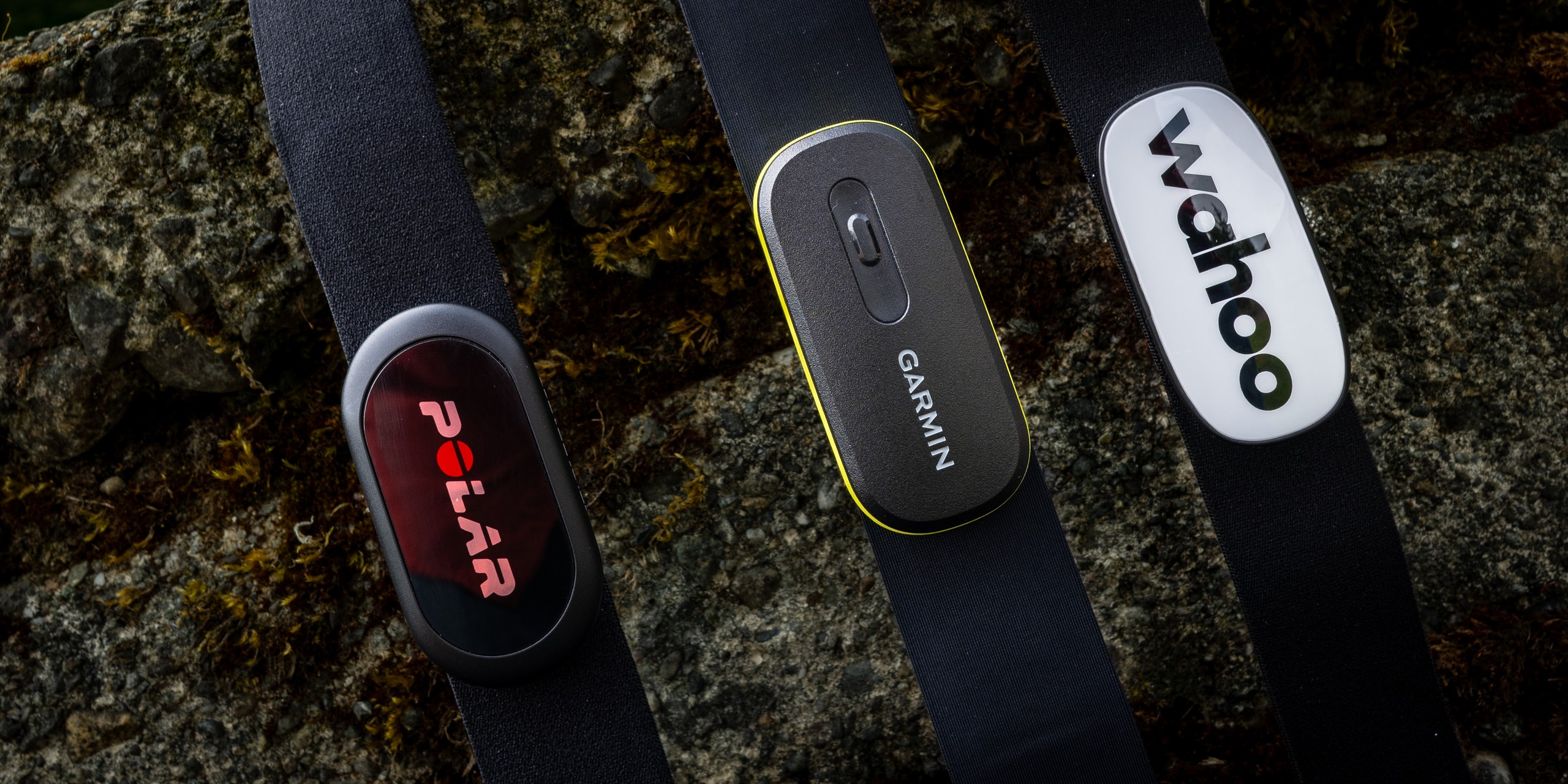
Chest straps read the actual electrical signal from your heart (ECG-style, like a hospital monitor), transmitted via two contact points against your sternum. This signal doesn't degrade with motion the way optical sensors do, because it isn't measuring blood flow through skin at all.
Where the Gap Actually Shows Up
For steady-state cardio — an easy jog, a bike ride at consistent effort — modern wrist sensors are close enough to chest strap accuracy that the difference rarely matters.
For intervals, the gap opens up fast:
- Rapid intensity changes: optical sensors have a lag of several seconds to "catch up" to a sudden effort spike, while a chest strap reads in near real time
- High cadence, high force movements: sprinting, jump rope, and rowing intervals are worst-case scenarios for wrist sensors — expect readings that are erratic or flatly wrong, not just delayed
- Cold conditions: reduced peripheral blood flow to the wrist in cold weather makes optical readings less reliable regardless of motion
Who Actually Needs a Chest Strap
If your training is genuinely interval-based — HIIT, sprint work, CrossFit-style workouts — a chest strap will give you numbers you can actually trust for zone-based training. If most of your training is steady endurance work, a modern watch's wrist sensor is good enough, and the convenience of not wearing a second device wins out.
Practical note on comfort: strap discomfort is usually a fit problem, not an inherent flaw. A snug (not tight) fit directly under the sternum, slightly dampened for contact, resolves most complaints about chafing or unreliable readings.
Middle-Ground Option
Some higher-end watches now let you pair an external chest strap over Bluetooth or ANT+ while still wearing the watch on your wrist — you get the strap's accuracy with the watch's screen and app ecosystem. If your current watch supports external HR sensor pairing, this is the easiest upgrade: keep the watch, add a $40–60 strap, and skip buying a whole new device.
Reviewed by OmniReview
OmniReview is the editorial team behind Gear Rescue Guide. We build every guide from manufacturer documentation, published test standards, and long-term owner reports, and add our own hands-on impressions whenever we've had the chance to use the gear directly — we don't claim to have tested every product we cover. See our How We Review page for the full process.