Do I Need a Headphone Amp? Impedance Explained
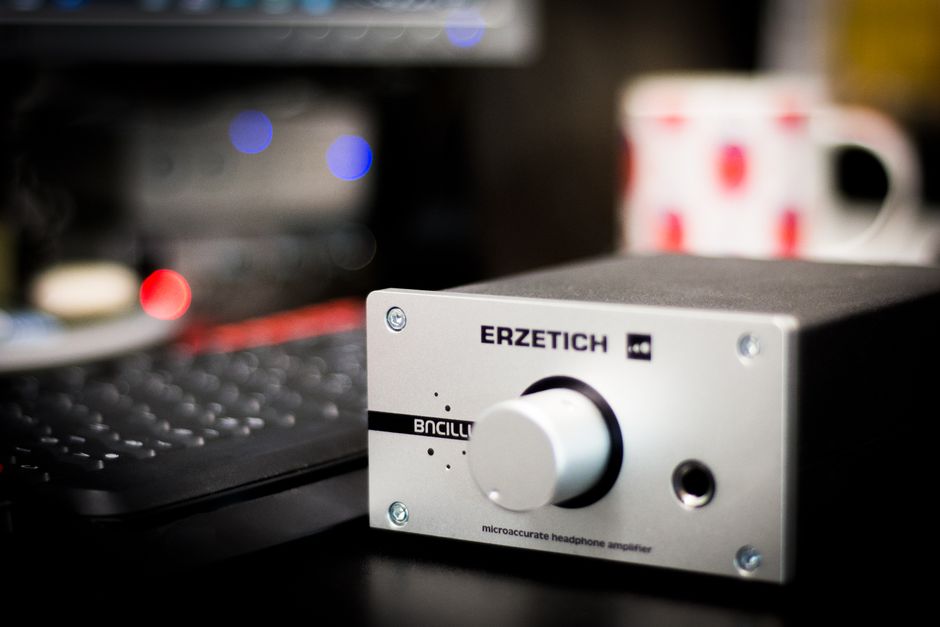
Photo: Blaz Erzetic / Pexels
You bought a pair of open-back audiophile headphones rated at 250 ohms, plugged them into your phone, and cranked the volume slider — and it still sounds quiet, flat, and a little lifeless compared to the demo you heard in the store. This isn't your imagination, and it isn't a defective pair. It's a straightforward electrical mismatch between the headphones and the tiny amplifier built into your phone.
What Impedance Actually Means
Impedance, measured in ohms, is a measure of electrical resistance in the headphone's driver circuit. A driver needs a certain amount of voltage pushed through it to move and produce sound at a given volume. Low-impedance headphones (typically 16–32 ohms) are designed to reach full volume with very little voltage — exactly what a phone's small, low-power internal amp chip is built to deliver, since phones are optimized for convenience and battery life, not driving demanding loads.
High-impedance headphones (commonly 250–600 ohms), historically designed for professional studio mixing desks and home stereo amplifiers, need considerably more voltage to reach the same volume. A phone's amp chip has a voltage ceiling it can't exceed, so when you plug in high-impedance headphones, you're asking for more voltage swing than the source can physically supply.
Impedance isn't the whole story — sensitivity matters too. Sensitivity (measured in dB per milliwatt) describes how efficiently a driver converts power into volume. A headphone with both high impedance and low sensitivity is the worst-case combination for an underpowered source; a headphone with high impedance but very high sensitivity can sometimes still get surprisingly loud off a weak source, just without full control.
Why Underpowered Headphones Don't Just Sound "Quiet"
The problem isn't only volume. When an amp is straining to drive a load it wasn't built for, the result is often flabby, uncontrolled bass, reduced dynamic punch, and a generally flat, compressed-sounding presentation even at a volume that's technically loud enough. This is because the amp isn't just failing to reach peak volume — it's failing to control the driver's movement precisely across the whole signal, which is what gives headphones their sense of punch and detail.
Rough Guide by Impedance and Sensitivity
| Headphone type | Typical impedance | Amp needed? |
|---|---|---|
| Consumer earbuds, most wireless headphones | 16–32 ohms | No — phone/laptop is plenty |
| Mid-range wired studio/audiophile headphones | 60–150 ohms | Sometimes — depends on sensitivity |
| High-end open-back audiophile headphones | 250–600 ohms | Usually yes |
What to Actually Check Before Buying an Amp
Look up your specific headphones' impedance and sensitivity spec (both are almost always listed by the manufacturer). If impedance is under roughly 60 ohms with reasonable sensitivity, your phone or laptop's built-in output is very likely sufficient — an amp won't meaningfully change the sound. If impedance is well above that, or the manufacturer explicitly markets the headphones as needing amplification, a small USB-C dongle DAC/amp (an inexpensive, pocketable option) or a dedicated desktop amp is worth considering.
When You Don't Need One
An amp is a solution to a specific power-mismatch problem, not a universal upgrade. If your headphones are low-impedance consumer or wireless models, adding an amp does nothing audible — you're not power-limited in the first place, so there's nothing for the amp to fix. Don't buy one preemptively "just in case" for headphones that already sound full and dynamic on your current source.
Bottom Line
If you own genuinely high-impedance or low-sensitivity headphones and notice they sound quiet, thin, or lacking punch on your phone even at max volume, a modest USB-C dongle amp will very likely fix it — this is a real, physics-based limitation, not a sound-quality preference. If your headphones already sound full and loud enough on your current source, skip the amp entirely; it has nothing to improve.
Reviewed by OmniReview
OmniReview is the editorial team behind Gear Rescue Guide. We build every guide from manufacturer documentation, published test standards, and long-term owner reports, and add our own hands-on impressions whenever we've had the chance to use the gear directly — we don't claim to have tested every product we cover. See our How We Review page for the full process.