Do I Need a Tent Footprint?
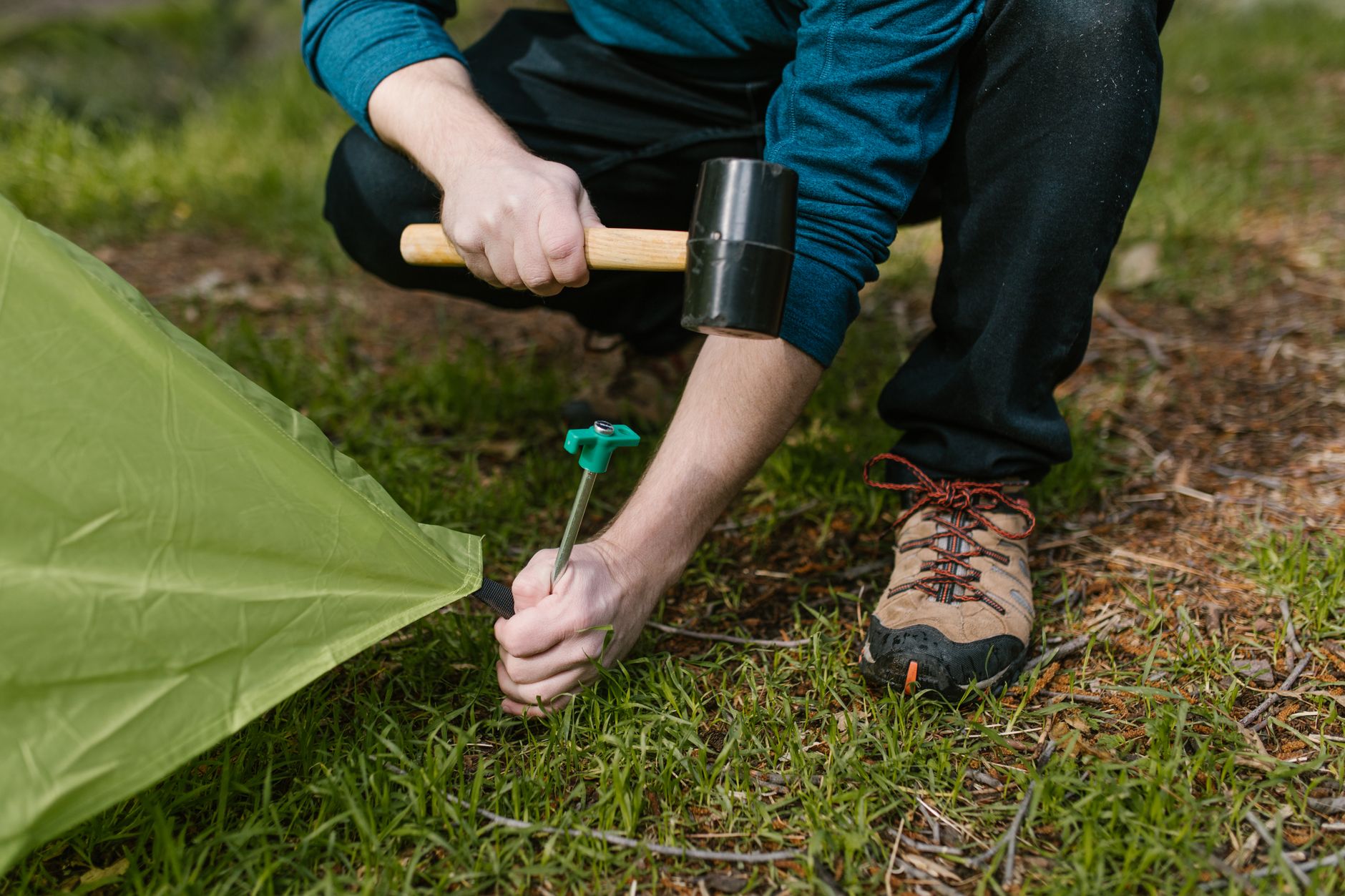
Photo: RDNE Stock project / Pexels
You've just bought a tent, and at checkout there's a matching footprint being upsold for another $40 to $70 — a thin sheet of fabric that goes under your tent floor. It's easy to assume this is just accessory upselling, but a footprint solves a specific, real problem; the question is whether that problem applies to how and where you actually camp.
What a Footprint Actually Protects Against
A tent's floor fabric, especially on lighter backpacking tents, is thin by design to save weight — often in the 15–40 denier range, which is durable against normal foot traffic and typical ground contact but vulnerable to puncture and abrasion from what's directly underneath it: sharp rocks, roots, sticks, and coarse sand that grinds against the fabric as you shift inside the tent overnight. A footprint is a sacrificial layer between the ground and your tent floor, taking that abrasion and puncture risk instead of your tent's actual floor.
Why This Matters More Than It Sounds
Tent floor damage is rarely a single dramatic puncture — it's much more often slow abrasion wear from repeated setup on rough ground, where a compromised floor doesn't fail catastrophically but instead develops small pinholes over a season that lead directly to ground moisture seeping through overnight. A footprint absorbs that wear and is far cheaper and easier to replace than the tent floor itself.
Sizing Matters More Than Most Buyers Realize
A footprint that extends beyond your tent's actual footprint is a real, common mistake — if rain runs down the tent walls and hits exposed footprint material sticking out past the tent's edge, that footprint acts like a small pool collecting water directly under your tent floor instead of directing it away, actively making ground moisture worse than having no footprint at all. The footprint should sit slightly inside the tent's actual floor perimeter, not match or exceed it, which is why generic aftermarket footprints are riskier than one sized specifically for your tent model.
When You Genuinely Don't Need One
If you consistently camp on established, cleared campsites — flat dirt or grass at maintained campgrounds where sharp debris has already been cleared by previous campers — the abrasion risk a footprint protects against is much lower, and skipping it is a reasonable way to save weight and money.
If your tent already has a genuinely durable floor (some tents, particularly heavier car-camping models, use 70+ denier floor fabric specifically because it doesn't need a separate footprint), a footprint offers proportionally less protection benefit for its added weight and cost.
A cut piece of inexpensive polycryo or Tyvek sheeting does the same fundamental job as a name-brand footprint at a fraction of the cost, as long as you cut it slightly smaller than your tent's floor — this is a common and effective workaround for backpackers who want floor protection without the branded price tag.
When It's Genuinely Worth Buying
If you regularly camp on undeveloped, rocky, or root-covered ground — alpine sites, off-trail camping, or backcountry spots without cleared tent pads — the puncture and abrasion risk is real and recurring, and a properly sized footprint meaningfully extends your tent floor's lifespan trip after trip. If you're also deciding between tent styles for that kind of terrain, see our guide on freestanding vs trekking pole tents for beginners.
Bottom Line
A footprint is genuine floor-life insurance, not a pure upsell, but its value depends heavily on where you actually pitch your tent. Skip the name-brand version and cut your own from cheap sheeting if you want the protection without the cost, and size it slightly smaller than your tent floor either way — an oversized footprint can do more harm than skipping one entirely.
Reviewed by OmniReview
OmniReview is the editorial team behind Gear Rescue Guide. We build every guide from manufacturer documentation, published test standards, and long-term owner reports, and add our own hands-on impressions whenever we've had the chance to use the gear directly — we don't claim to have tested every product we cover. See our How We Review page for the full process.