Why Is My Tent Floor Wet When It Didn't Rain?
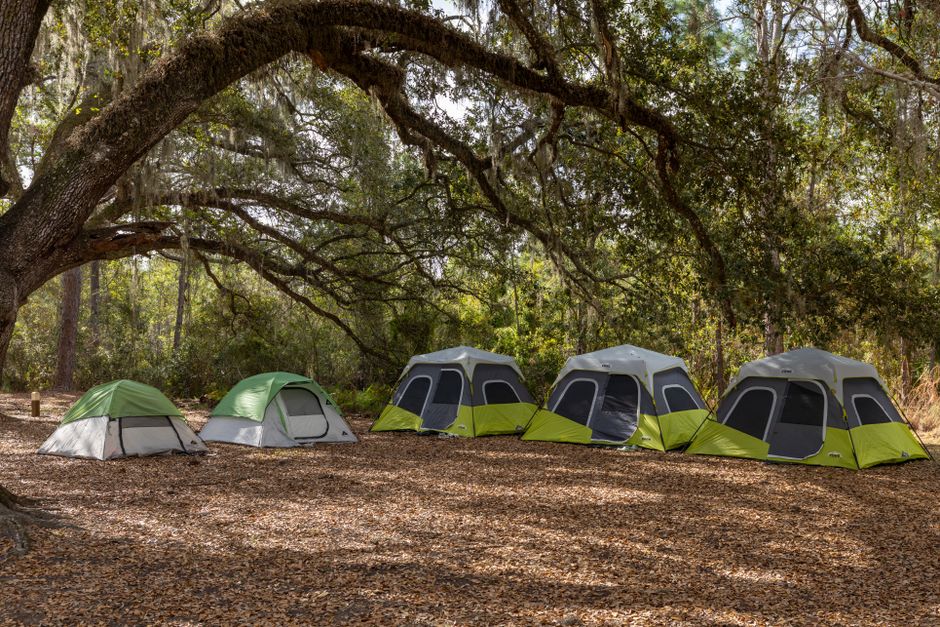
Photo: Matthew Hernandez / Pexels
You unzip your tent in the morning to a damp, sometimes visibly wet floor, despite a clear forecast and no rain overnight. The instinct is to assume the tent is leaking or defective, but in most cases the culprit isn't rain at all — it's moisture that was already present in the air and the ground around you.
Where the Water Actually Comes From
Condensation from your own body. You release a significant amount of water vapor overnight through breathing and skin evaporation. In a tent, that moist air has nowhere to go, and when it contacts a cold surface — including the tent floor itself, which sits close to cold ground overnight — the water vapor condenses back into liquid. This is the same basic physics as a cold glass of water sweating on a warm day, just happening at floor level instead of on the walls.
Ground moisture and temperature differential. Overnight, the ground beneath your tent is frequently colder than the air inside your tent, especially in valleys, near water, or on grass that collects dew. That temperature gap causes moisture from the ground and surrounding damp vegetation to condense on the underside of your tent floor and, on tents with less robust floor coatings, seep or wick through to the inside. Pitching on grass is a particularly common cause, since grass holds and releases far more ambient moisture overnight than bare dirt or rock.
Aging or worn waterproof coating. Tent floors rely on a polyurethane or silicone coating (and a hydrostatic head rating) to stay waterproof. UV exposure, abrasion, and general age degrade this coating over years of use, and once it's compromised, ground moisture that a newer tent would block entirely can pass through — again, with no rain required at all.
Condensation vs. an Actual Leak
The two causes look similar but behave differently. Condensation typically shows up as a diffuse, spread-out dampness or fine droplets, often heaviest near the floor edges and low points where cold air pools. A genuine coating or seam failure tends to produce a more localized wet patch that lines up with where you or your gear made direct contact with the floor, or where water may have pooled beneath the tent.
What Actually Helps
Use a footprint or groundsheet sized slightly smaller than your tent's floor, not larger. An oversized footprint can catch dew or rain and channel it directly underneath the tent instead of letting it run off to the sides.
Pitch on higher, drier ground and avoid thick grass or low spots where moisture and cold air naturally collect overnight — even a modest change in campsite location noticeably reduces both dew and ground-moisture condensation.
Air out and dry the tent floor before packing it away. Packing a damp tent encourages mildew and, over repeated trips, accelerates coating breakdown.
Reseal the floor coating periodically using a tent-specific sealant if your tent is several seasons old and the floor no longer beads water the way it did when new.
When It's a Real Problem Worth Fixing
If you're seeing actual standing water or a puddle forming inside — not just dampness — that points to a genuine coating or seam failure rather than condensation. You can test this at home: pitch the tent on a flat, dry surface, pour a small amount of water on the floor, and check whether it beads and sits on top or visibly seeps through. Peeling or cracked seam tape is another clear sign the tent needs reproofing or repair rather than a change in campsite selection.
Bottom Line
A damp tent floor on a rain-free night is almost always condensation or ground moisture — normal physics interacting with your campsite choice, not a defective tent. Genuine standing water or seepage through the floor is a different problem, and one worth addressing with a footprint, better site selection, or a coating reseal rather than assuming a new tent is the fix.
Reviewed by OmniReview
OmniReview is the editorial team behind Gear Rescue Guide. We build every guide from manufacturer documentation, published test standards, and long-term owner reports, and add our own hands-on impressions whenever we've had the chance to use the gear directly — we don't claim to have tested every product we cover. See our How We Review page for the full process.