Fitness Tracker Accuracy for Tattooed Wrists: What the Research Actually Shows
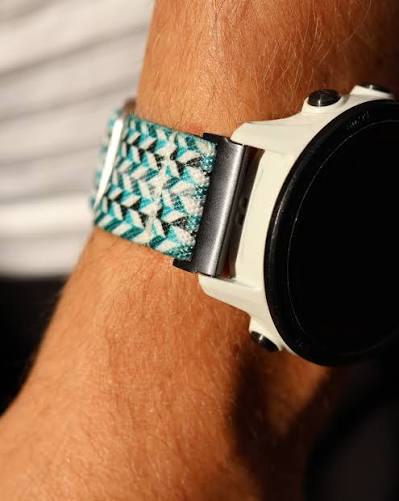
If you have a tattoo on or near where you wear a fitness tracker and you've noticed inconsistent or missing heart rate readings, this is a documented sensor limitation — not a defective device. Here's the actual mechanism and what helps.
Why Tattoos Interfere With Optical Sensors
Wrist-based heart rate sensors use PPG (photoplethysmography) technology — green (and sometimes red or infrared) LED light shone into the skin, with a photodiode measuring how much light reflects back based on blood flow changes underneath. This depends on the light being absorbed and reflected predictably by skin and blood, not by ink.
Dark, dense tattoo ink absorbs significant light before it reaches blood vessels, and absorbs it unevenly compared to bare skin — this directly interferes with the sensor's ability to read a clean pulse signal. The effect is strongest with:
- Black and dark-colored ink — absorbs the most light, causing the biggest interference
- Dense, solid coverage (like a solid black band or heavy shading) versus fine linework, which blocks light more thoroughly than sparse designs
- Newer tattoos, which sit with ink closer to the surface — older, more settled tattoos sometimes cause less interference as ink migrates slightly deeper over years
This is a well-documented issue, and some fitness tech companies have explicitly acknowledged it in support documentation rather than disputing it — it's a known limitation of the sensor technology across virtually all brands, not specific to one device.
What Actually Helps
Wear the tracker on your non-tattooed wrist, if only one arm is affected — the simplest fix when available.
Reposition the tracker slightly to a spot with less dense ink, even a small shift can move the sensor off the densest part of the tattoo and onto lighter linework or bare skin nearby.
Wear it slightly higher on the forearm, away from the wrist tattoo specifically, if your device and strap allow for that positioning — some trackers tolerate this better than others.
Use a chest strap for critical accuracy needs. Since chest straps read electrical (ECG-style) signal rather than optical, tattoo ink over the wrist has zero effect on chest strap accuracy — this is the most reliable workaround if wrist placement genuinely can't avoid the tattoo.
Consider a finger-based ring tracker as an alternative form factor if your tattoo coverage is wrist-specific — fingers are a completely different sensor location and typically unaffected by wrist ink.
What Doesn't Help
Tightening the strap, cleaning the skin, or switching to a "better" watch within the same optical-sensor category generally doesn't meaningfully fix ink-related interference — the issue is the light absorption itself, not skin contact or hardware quality. If you've tried repositioning and it's still unreliable, the underlying sensor technology has hit a genuine limitation for your specific tattoo, not a fixable software or fit issue.
Bottom Line
This isn't rare or a device flaw — it's a known optical sensor limitation with dark or dense ink specifically over the sensor location. Repositioning is the first thing to try; a chest strap is the guaranteed fix if repositioning doesn't fully resolve it.
Reviewed by OmniReview
OmniReview is the editorial team behind Gear Rescue Guide. We build every guide from manufacturer documentation, published test standards, and long-term owner reports, and add our own hands-on impressions whenever we've had the chance to use the gear directly — we don't claim to have tested every product we cover. See our How We Review page for the full process.