Fitness Wearable Battery Life: What to Realistically Expect vs. the Marketing Number
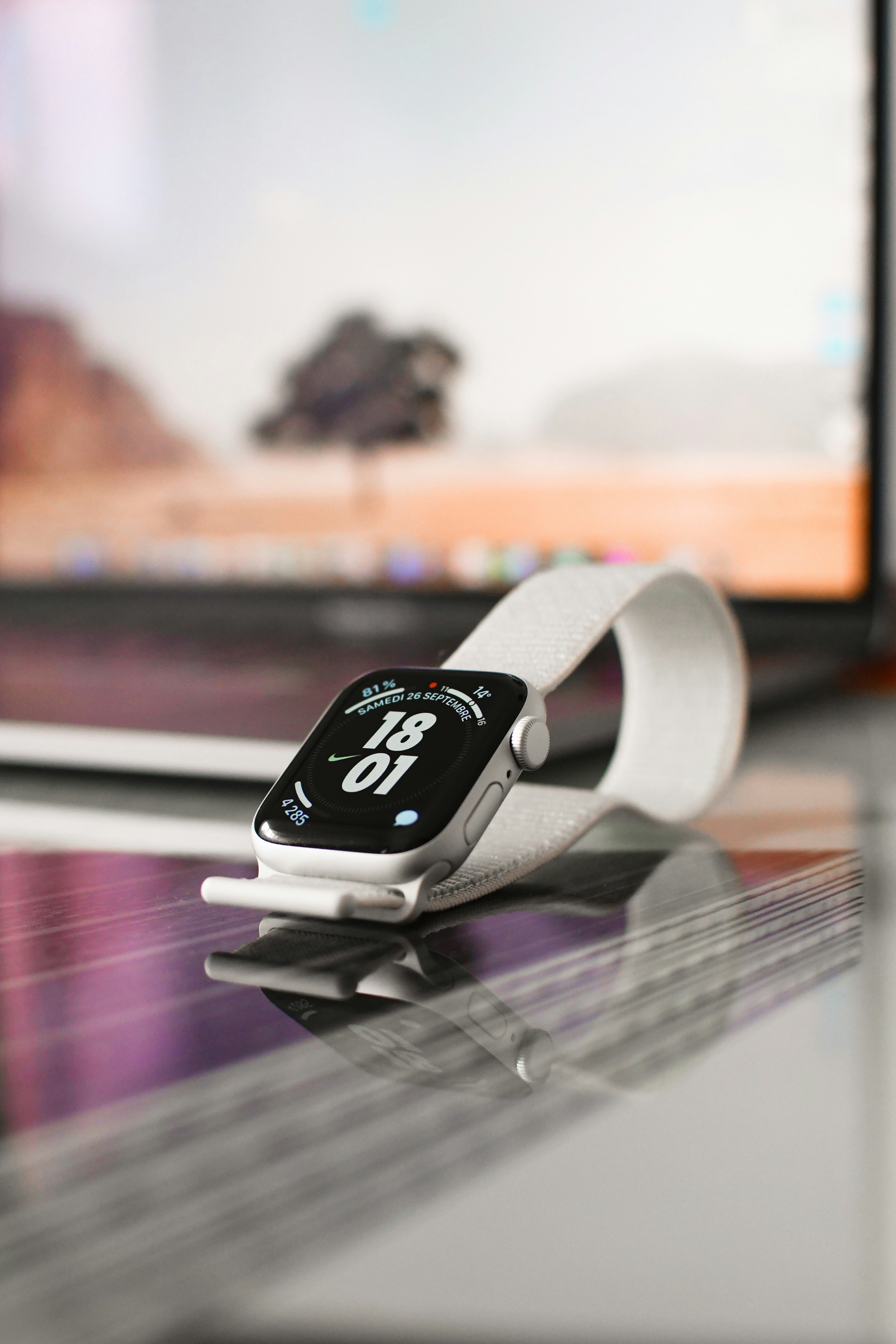
Battery life is one of the most misleading specs in fitness wearables, because manufacturer estimates almost always assume light, non-GPS, non-always-on-display use. Here's how to translate marketing numbers into what you'll actually experience.
Why the Marketing Number Is Rarely the Real Number
Manufacturers typically test battery life under close-to-ideal conditions: minimal GPS use, always-on display disabled, and basic notification/heart-rate tracking only. In practice, most users:
- Use GPS regularly for runs, rides, or hikes, which is one of the most battery-intensive features on any wearable
- Keep always-on display enabled, which can cut total battery life significantly compared to raise-to-wake
- Use continuous heart rate and blood oxygen tracking, both of which draw power steadily throughout the day and night
Real-World Battery Drain by Feature
Roughly, in order of how much they typically reduce battery life:
- GPS tracking — the single biggest drain; expect battery life during active GPS use to be a fraction of standby battery life
- Always-on display — can reduce multi-day battery estimates down substantially compared to raise-to-wake screens
- Continuous SpO2/stress tracking — smaller but consistent drain, especially overnight
- Cellular connectivity (on models that support it) — meaningfully increases drain when active
How to Estimate Real Battery Life for Your Use Case
Rather than trusting the headline number, estimate based on your actual habits:
- If you run or ride with GPS for an hour a day, look specifically for the manufacturer's "GPS battery life" spec (often listed separately from standby life) rather than the general battery life claim
- If you want always-on display, look for reviews that specifically test battery life with AOD enabled — this is rarely the number in marketing materials
- If you track sleep every night, add in the overnight continuous tracking drain when estimating how many days you'll realistically get between charges
Battery Life Expectations by Device Category
| Category | Marketing Claim (typical) | Realistic Everyday Use |
|---|---|---|
| Premium smartwatch, AOD on, daily GPS use | 1-2 days | Often less than 1 full day |
| Premium smartwatch, AOD off, occasional GPS | 4-7 days | 2-4 days |
| Dedicated fitness tracker, no AOD | 7-14 days | 5-10 days |
| Ultra-endurance/multi-sport watch (GPS-focused) | Multiple days in low-power mode | Significantly less with full-accuracy GPS |
Ring-style trackers push this even further, often running a week or more per charge — see our comparison of smart ring vs smartwatch for sleep tracking for how that battery advantage plays out for overnight tracking specifically.
Charging Habits That Actually Matter
- Fast charge windows (e.g., "10 minutes = X hours of use") are useful for topping up before a workout, but check what activity level that estimate assumes
- Battery degradation over time — like phones, wearable batteries lose capacity over 1-2 years of daily charging cycles, so a device advertised at the edge of your needs today may fall short in year two
Final Thoughts
Battery life specs are technically accurate but rarely reflect real usage patterns. The most reliable approach is to estimate based on your specific habits — GPS use, always-on display, and continuous health tracking — rather than the single headline number on the product page, and to build in a buffer for battery degradation over the device's lifespan.
Reviewed by OmniReview
OmniReview is the editorial team behind Gear Rescue Guide. We build every guide from manufacturer documentation, published test standards, and long-term owner reports, and add our own hands-on impressions whenever we've had the chance to use the gear directly — we don't claim to have tested every product we cover. See our How We Review page for the full process.