Smart Ring vs Smartwatch for Sleep Tracking: Which Gives Better Data?
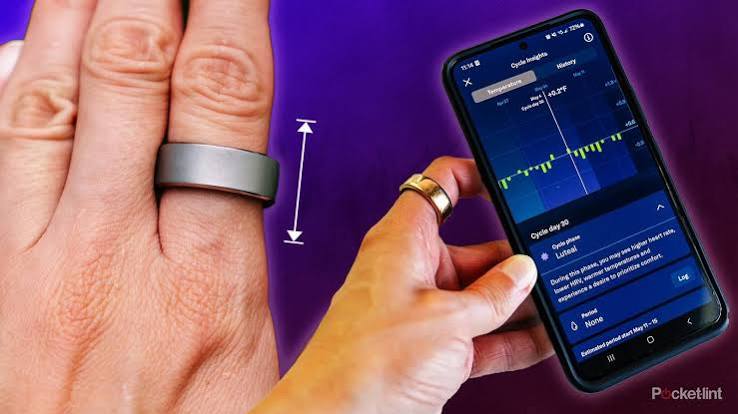
Sleep tracking has become a headline feature for both smart rings and smartwatches, but the two form factors approach the problem differently — and that difference actually affects data quality, not just comfort.
Why Finger Placement Has an Advantage
The finger has denser blood vessels closer to the skin surface than the wrist, and rings sit with more consistent, even pressure than a watch strap does through a night of movement. This translates to measurably more stable PPG (photoplethysmography) readings for heart rate and blood oxygen — the same underlying sensor technology as a watch, just reading from a more favorable location.
For sleep-specific tracking, this matters most for heart rate variability (HRV), a key input for sleep stage estimation (light, deep, REM). Several independent validation studies against polysomnography (the clinical gold standard) have found ring-based HRV readings tend to be more consistent than wrist-based readings during sleep, largely because rings maintain better skin contact when you toss and turn.
Where Smartwatches Still Win
Continuous all-day context: A smartwatch tracks activity, workouts, and heart rate throughout the day in one device, giving sleep algorithms more context (how strenuous was your day, what time did activity stop) to work with. Rings that don't track daytime activity as robustly lose some of this contextual accuracy.
Screen and immediate feedback: You can check your stats at a glance on a watch. Rings have no display — all data lives in the app, checked after the fact.
Battery life is often reversed from what people expect: rings typically last 4–7 days per charge due to their tiny size and low power draw, versus 1–3 days for a full-featured smartwatch — meaning rings are actually more likely to be worn through an uninterrupted charging cycle, which matters for tracking consistency.
Comfort During Sleep — the Deciding Factor for Many
This is where the format genuinely diverges by person. A watch strap, even a soft one, can feel bulky or create pressure points for side sleepers, and some people simply can't sleep comfortably with anything on their wrist. A ring is close to unnoticeable for most wearers once broken in — this is the single biggest reason people switch from a watch to a ring specifically for sleep tracking, independent of data accuracy.
The Practical Recommendation
Choose a ring if: sleep tracking is your primary goal, you find watches uncomfortable at night, or you specifically want HRV-based sleep stage data.
Choose a watch if: you want one device covering workouts, daytime activity, and sleep together, or you rely on at-a-glance stats without opening an app.
Best of both: some people wear a ring at night and a watch during the day — redundant, but it sidesteps the tradeoff entirely if budget allows.
Reviewed by OmniReview
OmniReview is the editorial team behind Gear Rescue Guide. We build every guide from manufacturer documentation, published test standards, and long-term owner reports, and add our own hands-on impressions whenever we've had the chance to use the gear directly — we don't claim to have tested every product we cover. See our How We Review page for the full process.