Why Does My Backpack Hurt My Shoulders?
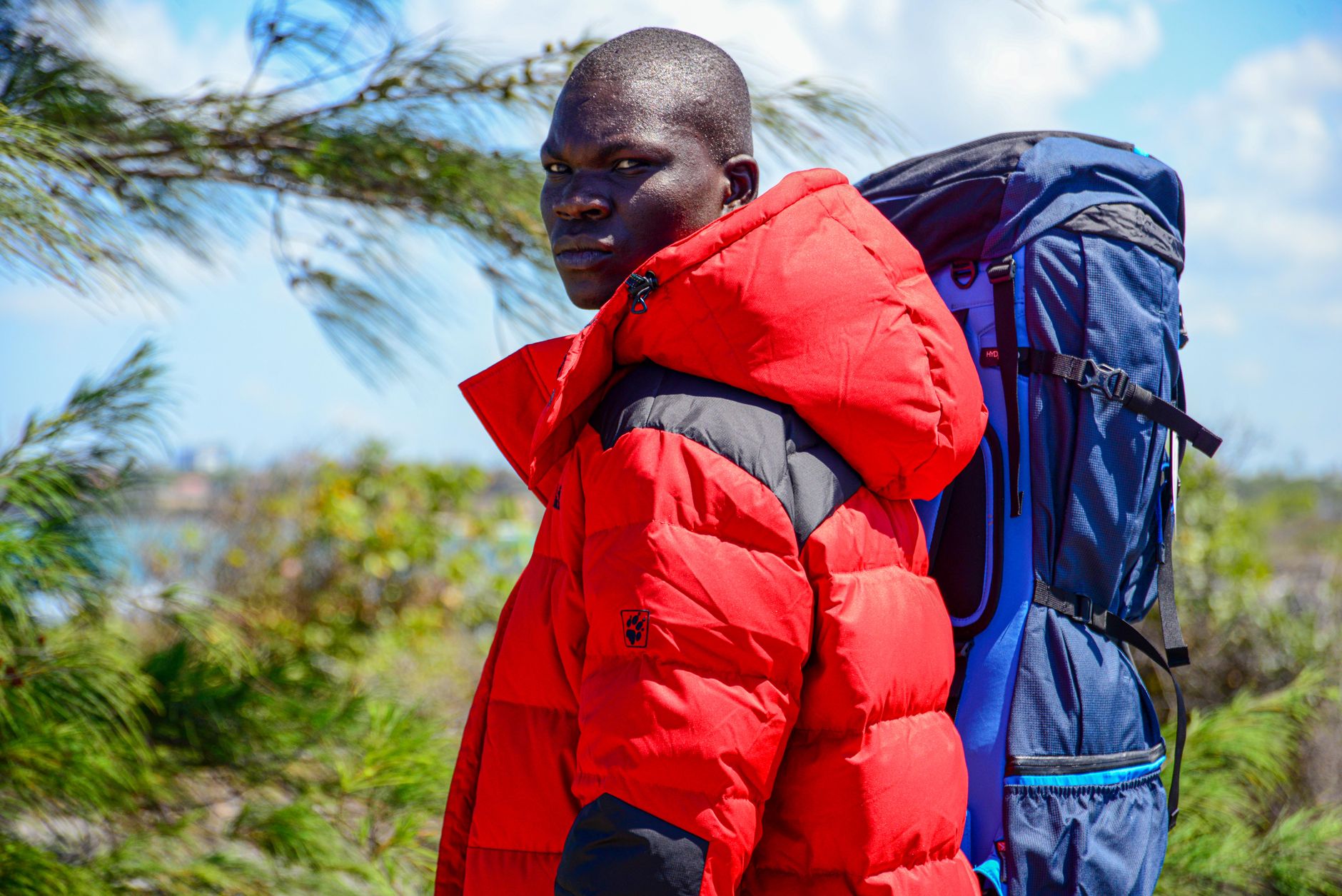
Photo: Thomas Nguka / Pexels
By the third mile of a hike, your shoulder straps are digging in hard enough that you're constantly shifting them, and by the end of the day there are sore red lines where the straps sat. It's tempting to blame the pack itself, but in most cases the shoulder straps are carrying weight they were never designed to carry — and the fix has nothing to do with padding.
Shoulder Straps Aren't Supposed to Carry the Load
A properly designed backpack is built around a simple principle: your hip bones, not your shoulders, are meant to bear the majority of the pack's weight — typically around 80% of total load, with the shoulder straps mainly stabilizing the pack against your back rather than supporting it vertically. The hip belt transfers weight to your pelvis and legs, which are far stronger and more fatigue-resistant over long distances than your shoulder and upper back muscles.
When shoulder pain shows up, it's almost always a sign that this load transfer isn't happening — the hip belt isn't doing its job, and your shoulders are compensating by carrying weight they were never meant to bear.
The Most Common Cause: Hip Belt Not Loaded Properly
The hip belt has to sit on your actual hip bones (the iliac crest), not your waist above them. A hip belt worn too high, sitting on soft tissue instead of bone, has nothing rigid to transfer weight onto, so the load slides back up onto your shoulders by default regardless of how tightly it's cinched.
The hip belt also needs to be tightened before the shoulder straps, not after. If you put the pack on and snug the shoulder straps first, they'll end up bearing load that the hip belt should have taken — the correct sequence is hip belt first (snug and positioned on the hip bones), then shoulder straps adjusted only to control the pack's upper lean, not to bear weight.
Torso Length Is a Separate Problem From Strap Adjustment
Even a correctly worn hip belt won't fix shoulder pain if the pack's torso length doesn't match your body — this is a frame-sizing issue, not an adjustment issue. A pack with too-short a torso length places the shoulder straps' anchor point too high relative to your shoulders, pulling straps upward and forcing them to carry weight; too-long a torso length lets the hip belt sit too low off the hip bones entirely. No amount of strap tightening compensates for the wrong frame size.
Overpacking Makes Any Fit Issue Worse
Even a well-fitted pack starts transferring more load to the shoulders as total pack weight increases beyond what the hip belt and frame were designed to carry efficiently — heavier loads expose fit problems that go unnoticed with a lighter pack. If shoulder pain only shows up on trips where you're carrying near your pack's maximum rated capacity, weight is compounding a marginal fit rather than causing the problem outright. For help matching pack size to what you're actually carrying, see our guide on what backpack size you need for your trip length.
What to Actually Check
- Confirm the hip belt sits on your hip bones, not above them on soft tissue.
- Re-tighten in the correct order: hip belt first, then shoulder straps.
- Check load-lifter straps (the angled straps connecting the top of the shoulder straps to the pack frame) — they should sit at roughly a 45-degree angle, pulling the pack's upper weight in toward your back rather than hanging loose.
- If pain persists after correct adjustment, have the torso length professionally checked at an outfitter — this is a frame problem, not something strap tightening can solve.
Bottom Line
Shoulder strap pain is almost always a hip-belt or torso-length problem in disguise, not a padding or strap-design problem — check hip belt position and tightening order before assuming you need a different pack entirely. If a correctly adjusted hip belt on hip bones still leaves your shoulders sore, get the torso length checked at a gear shop, since that's a sizing issue no amount of strap adjustment will fix.
Reviewed by OmniReview
OmniReview is the editorial team behind Gear Rescue Guide. We build every guide from manufacturer documentation, published test standards, and long-term owner reports, and add our own hands-on impressions whenever we've had the chance to use the gear directly — we don't claim to have tested every product we cover. See our How We Review page for the full process.