Bluetooth Codecs Explained: Does aptX or LDAC Actually Matter?
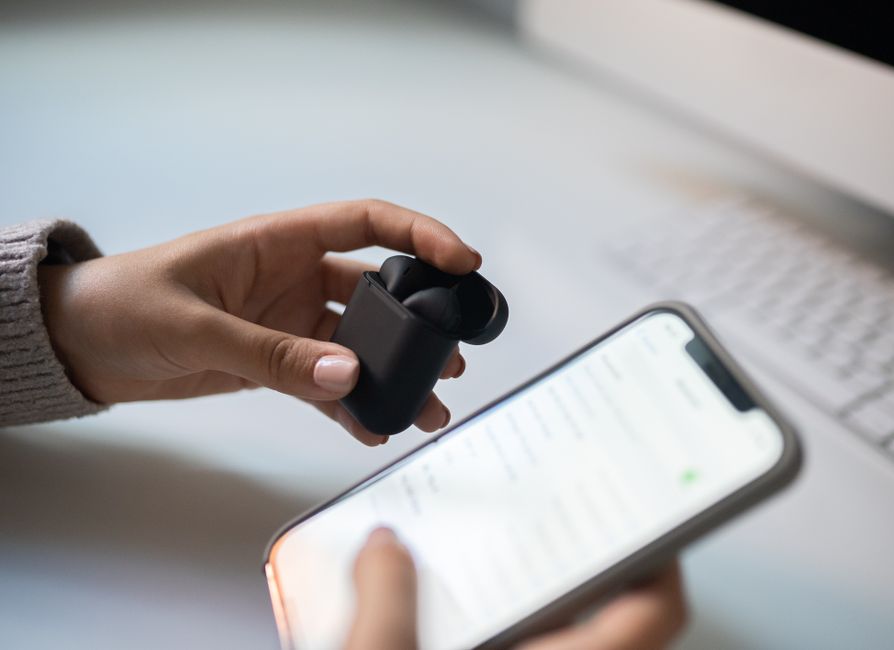
Photo: Dario Fernandez Ruz / Pexels
You're looking at a pair of earbuds and the box proudly lists "LDAC support" or "aptX HD," and you're wondering whether that's a real reason to pay more — or whether your phone even uses it. The honest answer is that codec support matters less than the marketing implies, and for a large share of buyers it doesn't apply to their phone at all.
What a Bluetooth Codec Actually Does
Bluetooth doesn't have enough bandwidth to send uncompressed digital audio, so a codec compresses the audio stream on your phone, sends it over the air, and decompresses it in your earbuds in real time. Every Bluetooth audio device supports SBC, the baseline codec required by the Bluetooth standard — everything else (AAC, aptX, aptX HD, aptX Adaptive, LDAC) is an optional, higher-quality alternative that only activates if both your source device and your earbuds support the same one.
| Codec | Typical max bitrate | Common on |
|---|---|---|
| SBC | ~328 kbps | Every Bluetooth audio device (mandatory) |
| AAC | ~250–320 kbps | iPhones, most Android phones |
| aptX | ~352 kbps | Many Android phones and earbuds |
| aptX HD | ~576 kbps | Higher-end Android phones and earbuds |
| LDAC | up to 990 kbps | Sony devices, some Android phones |
The Detail Most Marketing Leaves Out
iPhones do not support aptX, aptX HD, or LDAC at all. Apple only implements SBC and AAC on iOS. So if you're an iPhone user, buying earbuds specifically for their aptX HD or LDAC badge is buying a feature you will never use — your phone falls back to AAC every time, regardless of what the earbuds are capable of. This is the single most common source of confusion in codec marketing.
On Android, codec support varies by phone manufacturer and Android version, and you have to actually select the codec (or leave it on "best available") in Developer Options for it to take effect. Just owning an LDAC-capable phone and LDAC-capable earbuds doesn't guarantee LDAC is actually being used for a given connection — the link can silently drop to a lower codec, especially in RF-noisy environments, since higher-bitrate codecs are more sensitive to signal quality.
Does the Difference Actually Matter?
Between SBC and everything above it, yes, often audibly. SBC's compression is the most aggressive and can produce noticeable artifacts, especially in dense, cymbal-heavy, or bass-heavy music — a mild but real "smeared" or slightly compressed quality compared to AAC or aptX.
Between AAC, aptX, aptX HD, and LDAC, the difference is much smaller and highly dependent on the specific track and your earbuds' drivers. All of these are already well above the bitrate where compression artifacts are easy to hear on typical earbuds in typical listening conditions. Beyond this point, the resolving power of the earbud's driver and its tuning have a much bigger effect on perceived sound quality than which acceptable codec is technically in use — see our guide on wired vs wireless headphones for how much of the perceived quality gap actually comes down to driver and DAC quality rather than the transmission format.
Latency Is a Separate Consideration
Codec choice also affects delay between audio and picture — relevant for gaming or watching video. aptX Low Latency and Google's separate low-latency modes are built for this specifically; LDAC, despite its high bitrate, is not optimized for latency and can actually introduce more delay than AAC in some implementations. If lip-sync matters more to you than fidelity, check for a low-latency mode rather than chasing the highest-bitrate codec. For the full breakdown of why that lag happens and how to fix it, see our guide: Why Is Bluetooth Audio Out of Sync With Video?
Bottom Line
If you use an iPhone, ignore aptX and LDAC marketing entirely — you're always on AAC, and paying more for earbuds because of those badges gets you nothing. If you use Android and care about audio quality on wired-equivalent-level earbuds with genuinely resolving drivers, aptX HD or LDAC support is a reasonable nice-to-have, but it's a smaller factor in perceived sound quality than driver tuning. Don't upgrade earbuds for codec support alone unless you already know your phone actively uses it.
Reviewed by OmniReview
OmniReview is the editorial team behind Gear Rescue Guide. We build every guide from manufacturer documentation, published test standards, and long-term owner reports, and add our own hands-on impressions whenever we've had the chance to use the gear directly — we don't claim to have tested every product we cover. See our How We Review page for the full process.