How to Care for Premium Headphones: Making a $400 Pair Last a Decade
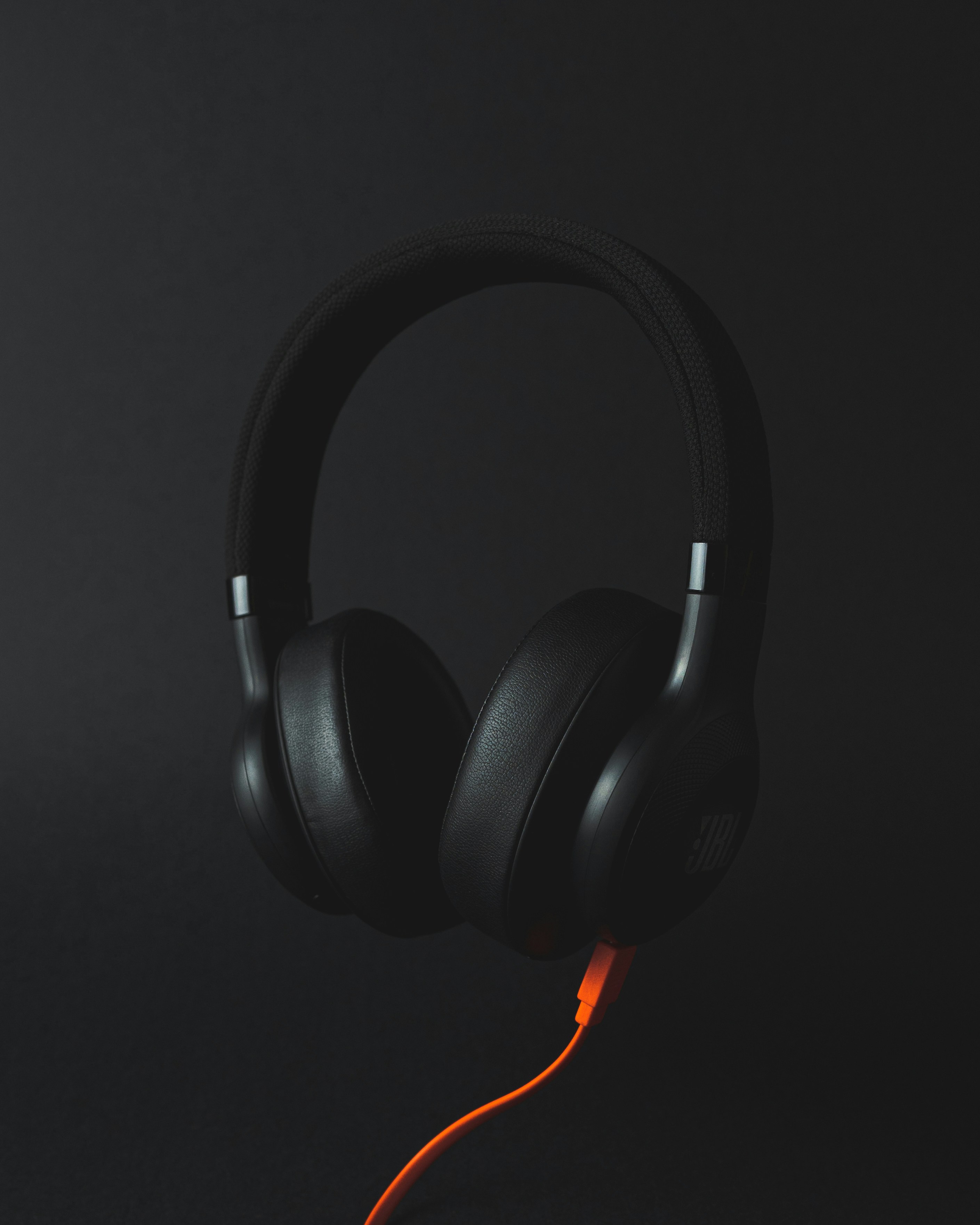
Premium headphones are one of the few tech purchases that can genuinely last ten years or more — but only if the parts that wear out are maintained or replaced. Here's what actually degrades over time, and what you can do about each of it.
What Actually Fails First
Headphones rarely fail because the drivers die. In practice, the failure order is remarkably consistent:
- Ear pads — foam compresses and the covering cracks, usually within 1-3 years of daily use
- Cables — repeated bending at the connector is the most common failure point on wired pairs
- Headband padding — the same foam degradation as ear pads, just slower
- Hinges and adjustment sliders — plastic stress fractures from repeated folding
- Battery (wireless only) — capacity loss after a few years of charge cycles
- Drivers — usually the last thing to go, often outliving everything else
The useful implication: most "dead" headphones are actually just headphones with worn pads and a frayed cable.
Ear Pads: The Highest-Impact Replacement
Worn ear pads don't just look bad — they change how your headphones sound. As foam compresses, the distance between the driver and your ear shrinks, which alters bass response and can break the acoustic seal that closed-back designs rely on.
Signs it's time to replace:
- Foam no longer springs back when pressed
- Flaking, peeling, or cracked covering
- Noticeably weaker bass than when new
- Headphones feel like they clamp harder (compressed pads mean less cushioning)
That extra clamping pressure is especially noticeable if you wear glasses — see our guide to best headphones for glasses wearers for the pad depth and clamping force specs worth checking before you buy.
Most premium brands sell official replacement pads, and third-party options exist for popular models. This is typically the single cheapest upgrade that makes an old pair feel new again. If your headphones already sound different and worn pads don't seem to be the cause, our diagnostic guide on why headphones sound worse after a year walks through the other common culprits.
Pad material matters:
- Protein leather — most common, good seal, wears fastest
- Velour/fabric — cooler and more breathable, slightly less isolation
- Real leather — most durable, needs occasional conditioning
- Memory foam interior — better comfort and seal than standard foam
Cable Care and Replacement
For wired or detachable-cable headphones, the connector strain point is where nearly all failures start.
Prevention:
- Never yank the cable to unplug — grip the connector body
- Avoid wrapping tightly around the headphones for storage; loose coils prevent internal wire fatigue
- Don't leave the cable pinched under a desk chair wheel or door
If your headphones have a detachable cable, replacement is trivial and cheap. If they're hardwired, a frayed cable often means either a repair job or the end of the pair — which is a strong argument for prioritizing detachable-cable designs when buying. It's also one of the practical trade-offs worth weighing in our comparison of wired vs wireless headphones.
Battery Longevity on Wireless Models
Lithium-ion batteries degrade with charge cycles regardless of use, but some habits slow it down:
- Avoid leaving them at 0% for long periods — deep discharge is harder on the cells than partial cycles
- Don't leave them plugged in permanently once fully charged
- Store at roughly 50% charge if you won't use them for months
- Avoid heat — a hot car dashboard is the fastest way to age a battery
Realistically, expect noticeable battery degradation after 2-4 years of daily use. Whether the battery is user-replaceable is worth checking before you buy, since it often determines the practical lifespan of the entire product.
Cleaning Without Damage
- Ear pads: wipe with a slightly damp microfiber cloth, then dry immediately. Don't soak, and don't use alcohol on protein leather — it accelerates cracking.
- Mesh/grilles: a soft dry brush removes dust; avoid pushing debris further into the driver
- Body and headband: damp cloth only; avoid solvent-based cleaners on plastic and painted surfaces
- Never submerge any part, and never use compressed air directly at the drivers
Storage That Actually Helps
- Use the case if one came with them — it protects hinges more than anything else
- Avoid hanging by one ear cup on a hook, which stresses the headband unevenly over time
- Keep them out of direct sunlight — UV degrades both foam and plastic
- Stand or dedicated hook is better than tossing them in a bag with keys and chargers
A Note on "Burn-In"
You'll see claims that headphones need dozens of hours of playback to "burn in" before they sound their best. Measured evidence for meaningful driver change is thin — much of the perceived improvement is likely your ears adapting to a new sound signature. It costs nothing to just listen normally, so there's no need to run pink noise for 200 hours before enjoying a new pair.
Shopping for a new pair rather than maintaining an old one? Our complete 2026 buying guide covers ANC, battery life, and comfort in full.
Final Thoughts
Most premium headphones die from neglected consumables, not failed engineering. Replace the ear pads when they compress, treat the cable connector gently, keep the battery out of extreme states, and store them in a case. Do that and a good pair will outlast several phones.
Reviewed by OmniReview
OmniReview is the editorial team behind Gear Rescue Guide. We build every guide from manufacturer documentation, published test standards, and long-term owner reports, and add our own hands-on impressions whenever we've had the chance to use the gear directly — we don't claim to have tested every product we cover. See our How We Review page for the full process.