Sleeping Bag Temperature Ratings Explained: Why You're Still Cold at 20°F
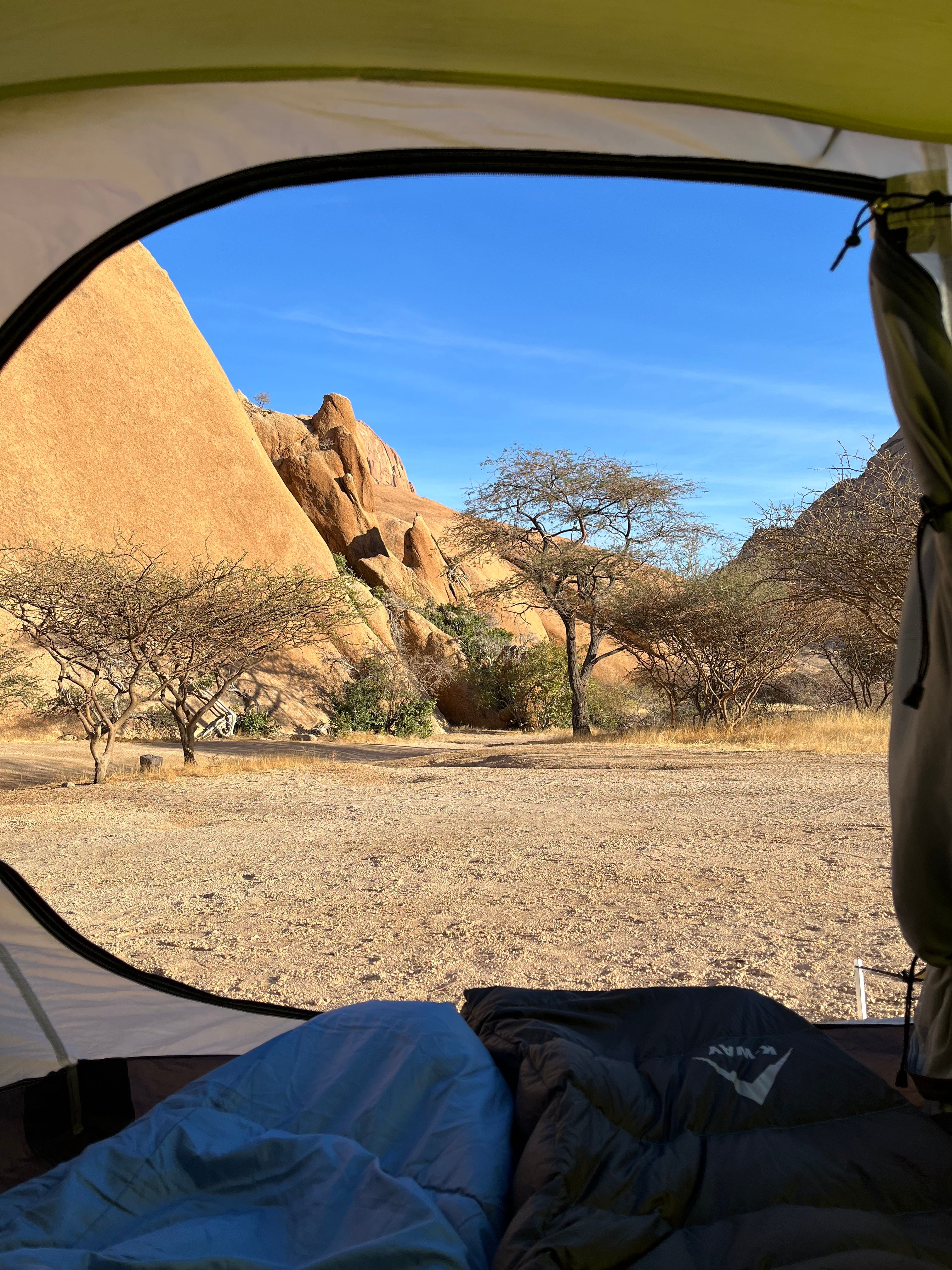
One of the most common backpacking complaints is buying a bag rated to 20°F and still shivering at 30°F. The bag isn't necessarily defective — temperature ratings are widely misunderstood, and the number on the label doesn't mean what most buyers assume it means.
What the Rating Actually Measures
Most quality sleeping bags are tested under a standardized protocol (EN 13537 or its successor ISO 23537) using a heated mannequin in a controlled chamber. That test produces several different numbers, and manufacturers don't always display them all prominently:
- Comfort rating — the temperature at which a "standard woman" can sleep comfortably in a relaxed position
- Limit rating — the temperature at which a "standard man" can sleep for eight hours in a curled position without waking from cold
- Extreme rating — a survival-only number where hypothermia risk begins; never a planning figure
Here's the catch: many bags are marketed using the limit rating, which is a survival-adjacent threshold, not a comfort threshold. A bag advertised as "20°F" using the limit rating may have a comfort rating closer to 30°F.
Why Individual Results Vary So Much
Standardized testing assumes a standardized sleeper. Real people vary enormously:
- Metabolism and body composition — some people simply sleep colder than others
- Sex differences — the test protocol itself acknowledges this by publishing separate comfort and limit figures
- Hydration and calorie intake — being underfed or dehydrated meaningfully reduces your body's ability to generate heat overnight
- Fatigue — a hard day of hiking with insufficient recovery calories leaves less energy for thermoregulation
The Factors the Rating Doesn't Include
This is where most cold nights actually come from. The temperature rating tests the bag in isolation — but you don't sleep in isolation:
Sleeping pad R-value is the single most overlooked factor. Ground conduction pulls heat from your body far faster than air. A 20°F bag on a summer pad with an R-value of 1-2 will feel dramatically colder than the same bag on a pad rated R-4 or higher. If you're cold in a properly rated bag, check the pad before blaming the bag — see our full breakdown: Sleeping Pad R-Value Explained.
Tent vs. open air — sleeping inside a tent typically adds several degrees of effective warmth compared to cowboy camping in the open. If you're still deciding between tent types, see our comparison of 3-season vs 4-season tents.
Humidity and wind — damp conditions strip warmth faster; down loses loft and insulating power when wet.
Clothing worn inside the bag — a dry base layer and a warm hat make a substantial difference, since significant heat is lost through the head.
How to Choose in Practice
- Look for the comfort rating, not the marketing number. If only one number is listed, assume it's the limit rating and mentally add roughly 10°F of buffer.
- Build in margin for the coldest night you might realistically face, not the average temperature for the season.
- Match your sleeping pad's R-value to the conditions — this is often a bigger upgrade than buying a warmer bag.
- If you know you sleep cold, size up in warmth. No rating system accounts for individual variation.
If you've checked all of the above and you're still cold, our real-world troubleshooting guide covers the fixes that actually work: why am I cold in a 20°F sleeping bag.
Down vs. Synthetic and Temperature Reliability
Down bags maintain their ratings only when fully lofted and dry. In sustained damp conditions, a down bag can underperform its rating substantially unless it uses a water-resistant treatment. Synthetic bags hold their insulating value better when damp, which is why they're often preferred for consistently wet climates despite the weight penalty — see our full comparison: down vs synthetic sleeping bag for wet climates. For how this trade-off plays out across price tiers, see backpacking gear by budget.
Final Thoughts
The number on the tag is a starting point, not a promise. Read it as the limit rating unless stated otherwise, add a buffer for your own cold tolerance, and pay just as much attention to your sleeping pad's R-value as the bag itself. Most "the bag didn't work" complaints trace back to the ground underneath rather than the insulation on top.
Reviewed by OmniReview
OmniReview is the editorial team behind Gear Rescue Guide. We build every guide from manufacturer documentation, published test standards, and long-term owner reports, and add our own hands-on impressions whenever we've had the chance to use the gear directly — we don't claim to have tested every product we cover. See our How We Review page for the full process.