How to Choose a Fitness Wearable: The Complete 2026 Buying Guide
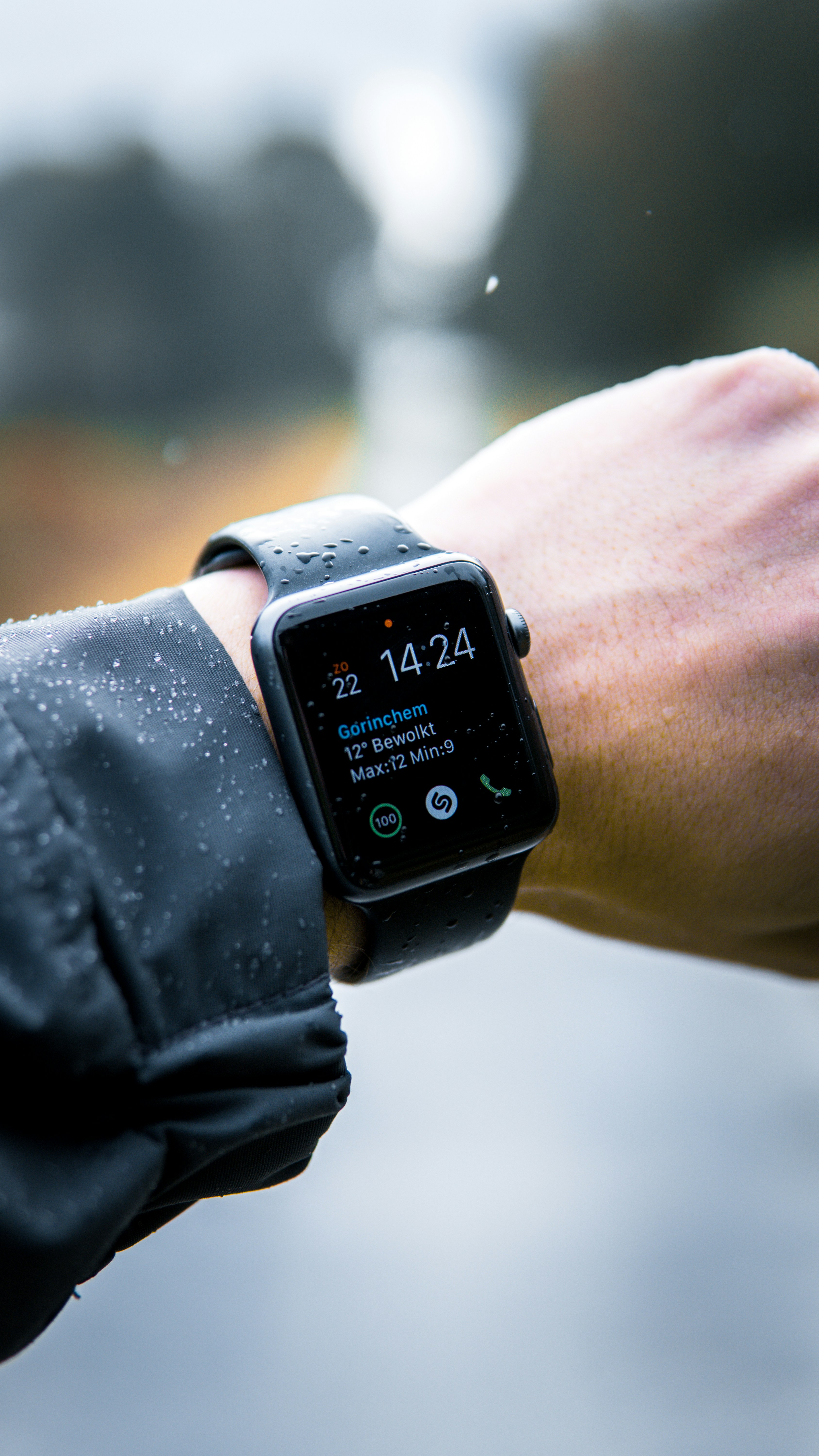
Fitness wearables have moved well past simple step-counting. Today's smartwatches and fitness trackers monitor everything from sleep stages to blood oxygen levels, and the right choice depends heavily on which of those metrics actually matter for your goals. Here's how to cut through the spec sheets and pick a wearable that fits how you actually train and live.
Smartwatch vs. Dedicated Fitness Tracker
The first real decision is category, not brand:
- Smartwatches (full-featured, app support, notifications, calls) trade battery life for functionality — typically 1-2 days per charge on the high end
- Dedicated fitness trackers (slimmer, simpler, focused purely on health metrics) often last a week or more per charge, and prioritize accuracy of core metrics over app ecosystem breadth
If you want a single device for both training and daily notifications, a smartwatch makes sense. If you want a lightweight device that disappears on your wrist and just tracks accurately, a dedicated tracker is usually the better fit — and often the better value.
Core Metrics Worth Prioritizing
Not every advertised sensor delivers equally reliable data. When comparing models, focus on:
- Heart rate accuracy during exercise — optical sensors vary significantly in accuracy during high-intensity movement; look for models validated against chest strap monitors in independent reviews
- Sleep tracking depth — the better wearables distinguish REM, light, and deep sleep stages rather than just total sleep duration
- GPS accuracy — critical for runners and cyclists tracking pace and distance without a paired phone
- Blood oxygen (SpO2) and stress tracking — increasingly common but varies in reliability between brands
For high-intensity interval work specifically, see our comparison of chest strap vs wrist heart rate for intervals. That accuracy also varies by wearer — if you have tattoos over the sensor area, see our analysis of fitness tracker accuracy for tattooed wrists.
Durability and Water Resistance
Look at the actual water resistance rating rather than assuming "water resistant" means swim-ready:
- IPX4-5 — sweat and splash resistant, not suitable for swimming
- 5 ATM / 50m — suitable for swimming and showering
- 10 ATM+ — suitable for more serious water sports and diving in supported models
If you swim or do water sports regularly, this spec alone should narrow your options significantly before comparing anything else.
App Ecosystem and Data Portability
A wearable is only as useful as the app and data ecosystem behind it. Before buying, check:
- Whether the app exports data to third-party platforms (Strava, TrainingPeaks, Apple Health, Google Fit)
- Whether advanced metrics (recovery scores, training load, VO2 max estimates) are free or locked behind a subscription
- How often the brand pushes meaningful software updates versus treating the hardware as a one-time sale
Several premium brands increasingly gate their most useful analytics behind a monthly subscription — factor this into the real cost of ownership, not just the upfront device price. See our full breakdown: Fitness Wearable Subscriptions: What You Actually Get for the Monthly Fee.
Matching the Wearable to Your Actual Activity
| Primary Activity | Priority Features |
|---|---|
| Running/cycling | GPS accuracy, battery life during long activities |
| Strength training | Rep/set tracking, wrist-based heart rate during lower-intensity work |
| Swimming | Water resistance rating, swim-specific metrics |
| General health tracking | Sleep stages, resting heart rate trends, battery life over multiple days |
| Multi-sport / triathlon | Multi-sport mode switching, extended GPS battery life |
Final Thoughts
The right fitness wearable isn't the one with the longest spec sheet — it's the one whose strongest features match your actual training and health-tracking priorities. Start by identifying the two or three metrics that matter most to you, then compare models specifically on those before getting distracted by the full feature list.
Reviewed by OmniReview
OmniReview is the editorial team behind Gear Rescue Guide. We build every guide from manufacturer documentation, published test standards, and long-term owner reports, and add our own hands-on impressions whenever we've had the chance to use the gear directly — we don't claim to have tested every product we cover. See our How We Review page for the full process.